
By Senior Editor, China Africa News
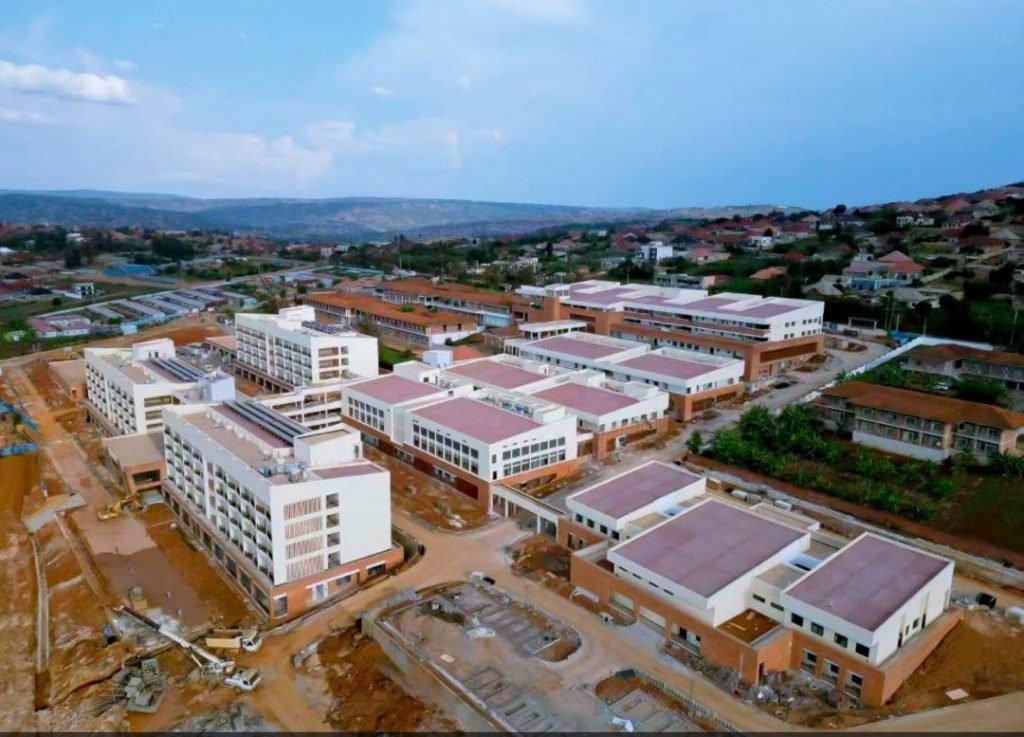
Kigali-Rwanda, The transformation of Kigali’s health landscape is about to take a giant leap forward. In Kicukiro District’s Masaka compound, cranes hover over the grounds, scaffolding hugs the wings of what is set to become Rwanda’s largest teaching hospital and the countdown to its opening has begun. With a planned 837 beds and the capacity to treat some 2,000 patients each day, this hospital marks a bold vision for the country’s future of healthcare.
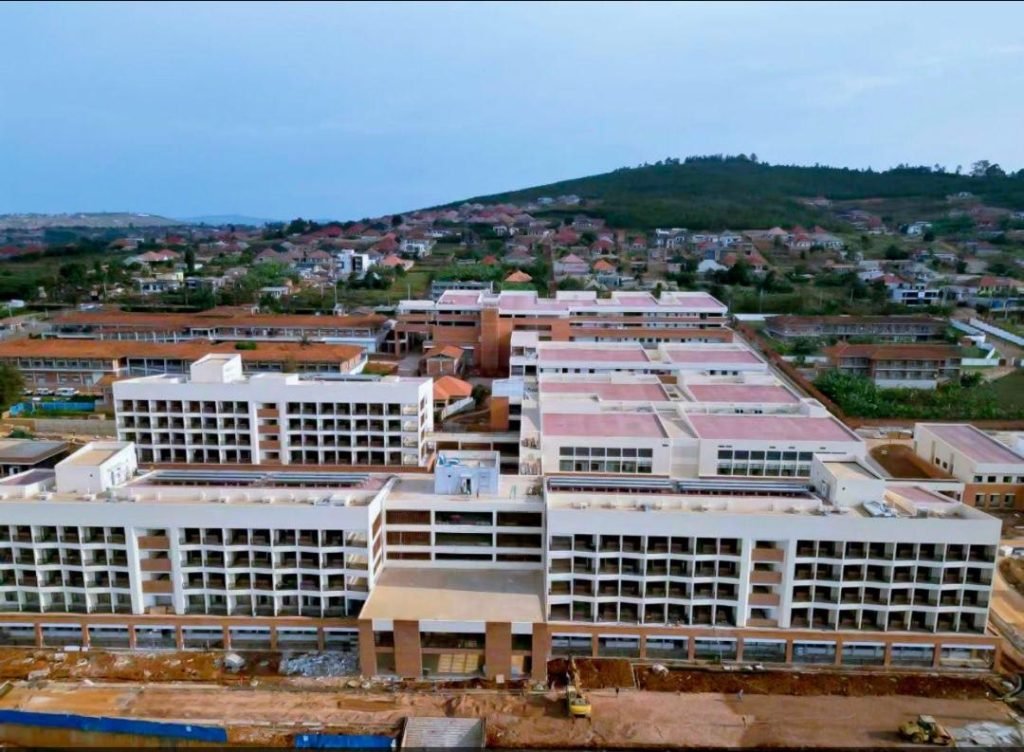
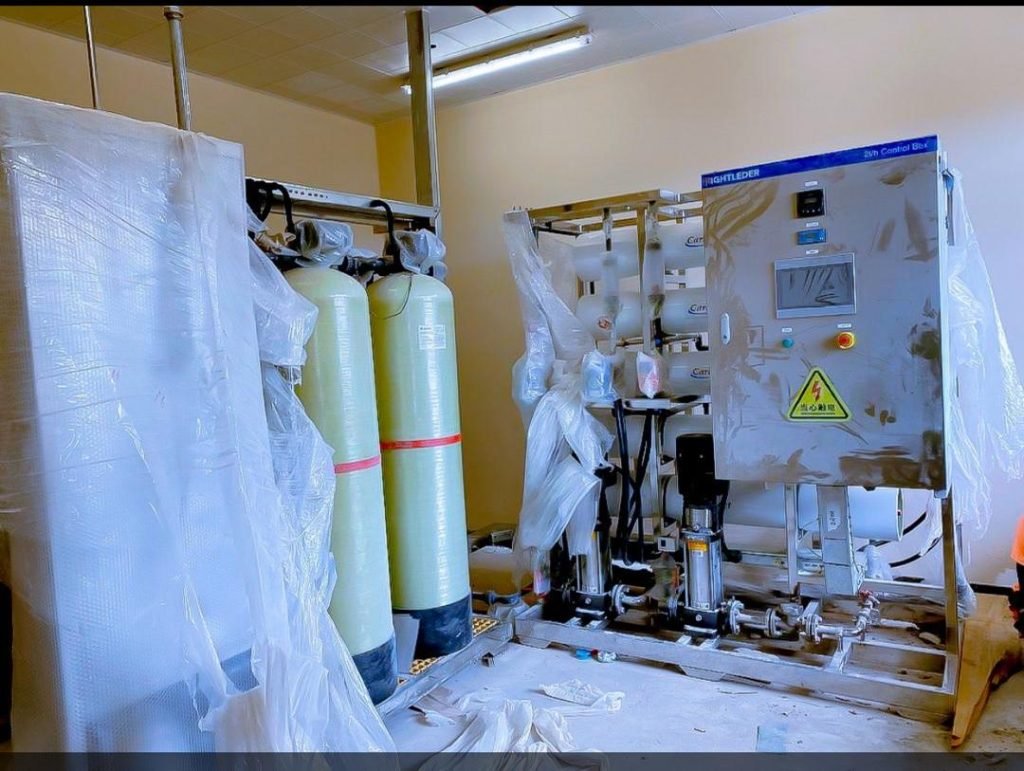
Inside the site, hospital staff describe a sweeping redesign: a new emergency department, paediatrics and infectious-disease wings, a radiology unit, a blood-bank facility, and a central sterile supply zone. These upgrades are aimed at reflecting modern teaching-hospital standards and equipping the facility to train health professionals as well as serve patients.
The hospital’s refurbishment is backed by the government of the People’s Republic of China, and the relocation of the University Teaching Hospital of Kigali (CHUK) from its current city-centre site is scheduled to begin soon. Although the structural work is nearing readiness, the invitation for patients and specialists won’t open until the essential operational, staffing and equipment stages are finalised.
Originally built between 2008 and 2011 as a China-funded gift to Rwanda and handed over as a district-level general hospital, Masaka began a new chapter as the country’s ambitions grew. On 30 March 2023 a formal groundbreaking marked the start of its renovation and expansion (under an agreement signed in April 2020), signalling its transformation into a national referral and teaching institution.
When complete, the hospital will not only be the largest general hospital in Rwanda, but also a premier teaching hospital and a regional medical hub. Rwanda’s then-Prime Minister praised the project as central to the country’s goal of developing specialties and training health professionals faster.
Behind the steel and concrete, though, lies another critical phase: bringing the hospital to life. The challenge now is to recruit specialist doctors and nurses, procure advanced equipment, integrate services, and ensure a seamless transition from the old CHUK site to the new one. According to the Ministry of Health, only a few months remain before the relocation begins, but the real work has just begun.
For residents of Kigali and the surrounding regions, this expanded hospital promises closer access to high-level care, more specialised services, and an infrastructure designed for teaching and research, not just treatment. For Rwanda’s health system, it signals a move toward decentralised, higher-capacity care. And for the China-Rwanda partnership, it stands as a visible symbol of long-term cooperation in health infrastructure.