
By Senior Reporter, China Africa News
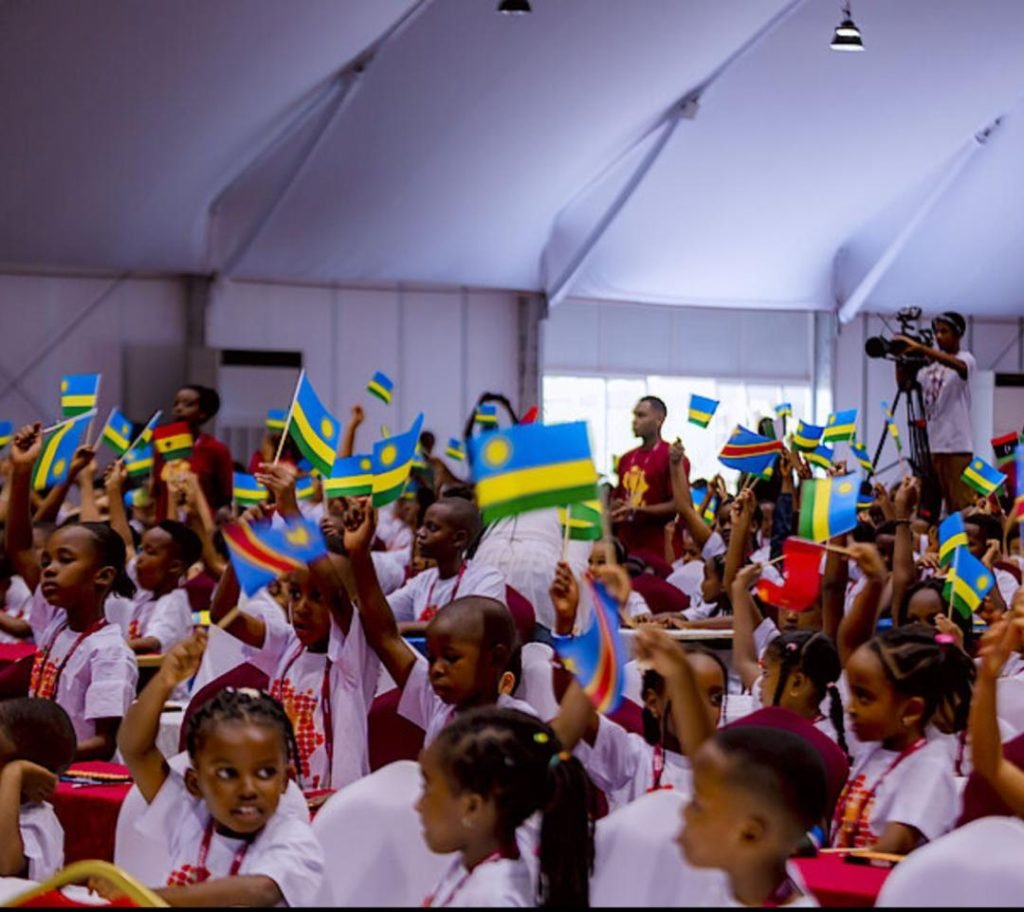
Kigali- A thrilling gathering of young minds took centre stage as the second edition of the Shenmo Cup African Abacus Mental Math Olympiad brought together hundreds of children from over 30 African countries to compete in rapid-fire mental arithmetic using the ancient abacus. “It is a pleasure to see this competition happening in Rwanda… watching children actively apply what they’ve learned, while having fun and competing with peers from across the world, is powerful. It builds their confidence, focus, and mental agility,” said Claudette Irere, Rwanda’s Minister of State in the Ministry of Education. Meanwhile Li Mianjun, President of Shenmo Education Group, observed: “The abacus trains the brain the way sports train the body… skill comes from consistent practice.”
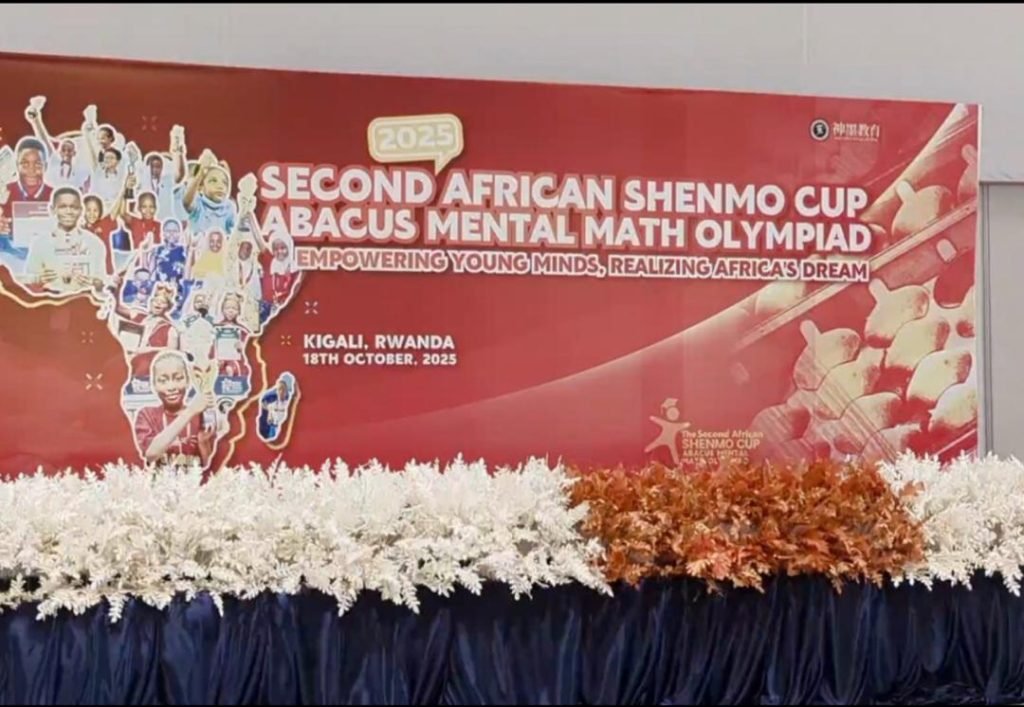
The competition, themed “Empowering Young Minds, Realizing Africa’s Dream”, was not just about arithmetic but about transforming how children engage with mathematics. Organised by Shenmo Rwanda in collaboration with the Rwanda Basic Education Board, the event featured two rigorous rounds a listening-based rapid calculation exercise and a written exam — challenging participants aged between four and fourteen to perform complex operations with speed and precision.
From Ghana, young prodigies stepped onto the podium: Ridwan Mahmoud Jajah and Ummu Sulaim Abass from Al-Hikmah Islamic Montessori School claimed gold and bronze respectively in Level 1, earning two trophies and national acclaim. “Our vision and goal is to ensure this reaches millions of young Ghanaians in the years ahead by establishing Shenmo Abacus clubs and learning centres,” said Musa Frimpong, Principal of Shenmo Ghana.
In Rwanda’s listening round, Ragad Maki Abdallah of Mother Mary International School Complex emerged top, while the best score in the written exam went to Mahmoud Jaiah Ridwan Samakwe from Ghana. In all, 48 outstanding performers were recognised among the more than 300 children who took part.
Behind the scenes, Rwanda’s educational leadership embraced the initiative as aligned with the country’s education reform and vision for competency-based learning. “The event is a celebration of learning methods that Rwanda values — discipline, numerical fluency, creativity, and cognitive development,” declared Nelson Mbarushimana, Director General of the Rwanda Education Board.
Ultimately, the Olympiad showcased more than just arithmetic talent. It offered a stage where innovation in teaching meets youthful ambition, where beads sliding along wires translate into mental agility and self-belief. As operators of the abacus may attest, it’s not simply about getting the answer it’s about shaping the mind.