
By Senior Editor,China Africa News
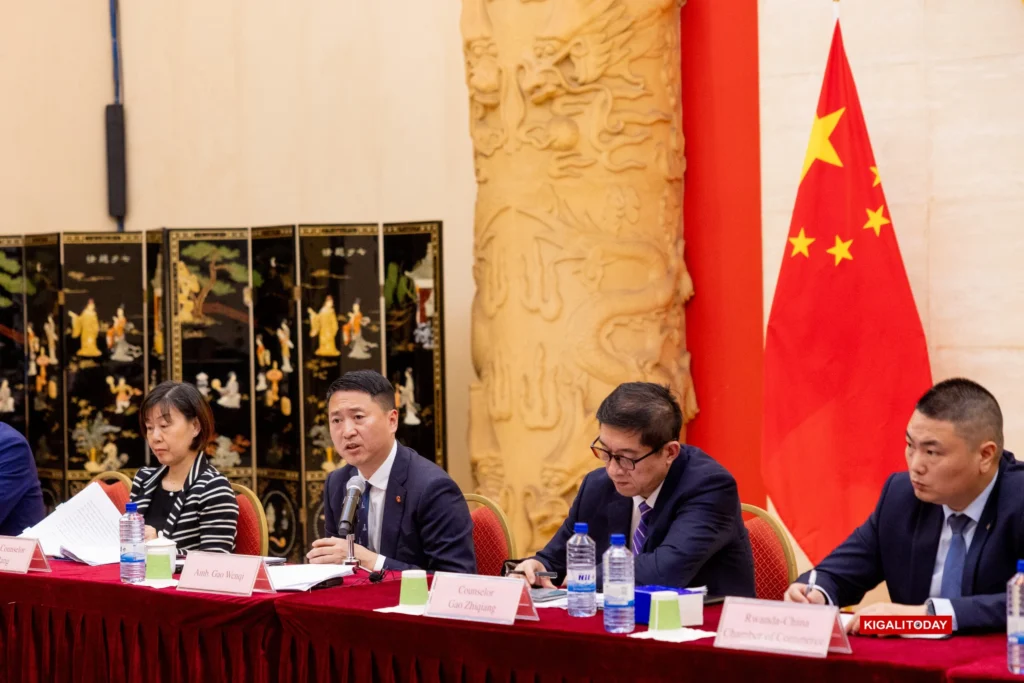
Kigali 29 April,2026 — Chinese Ambassador to Rwanda, Gao Wenqi, has highlighted growing economic and diplomatic cooperation between Rwanda and China, noting that Rwanda exported coffee worth about $6 million to China in 2025. He made the remarks during a press briefing, underscoring the steady expansion of trade relations between the two countries.
He said one of the key achievements of the bilateral partnership has been the improvement of trade flows, particularly in agricultural exports such as coffee. Beyond trade, he emphasized that China is working to strengthen people-to-people ties with Rwanda through cultural and educational exchanges.
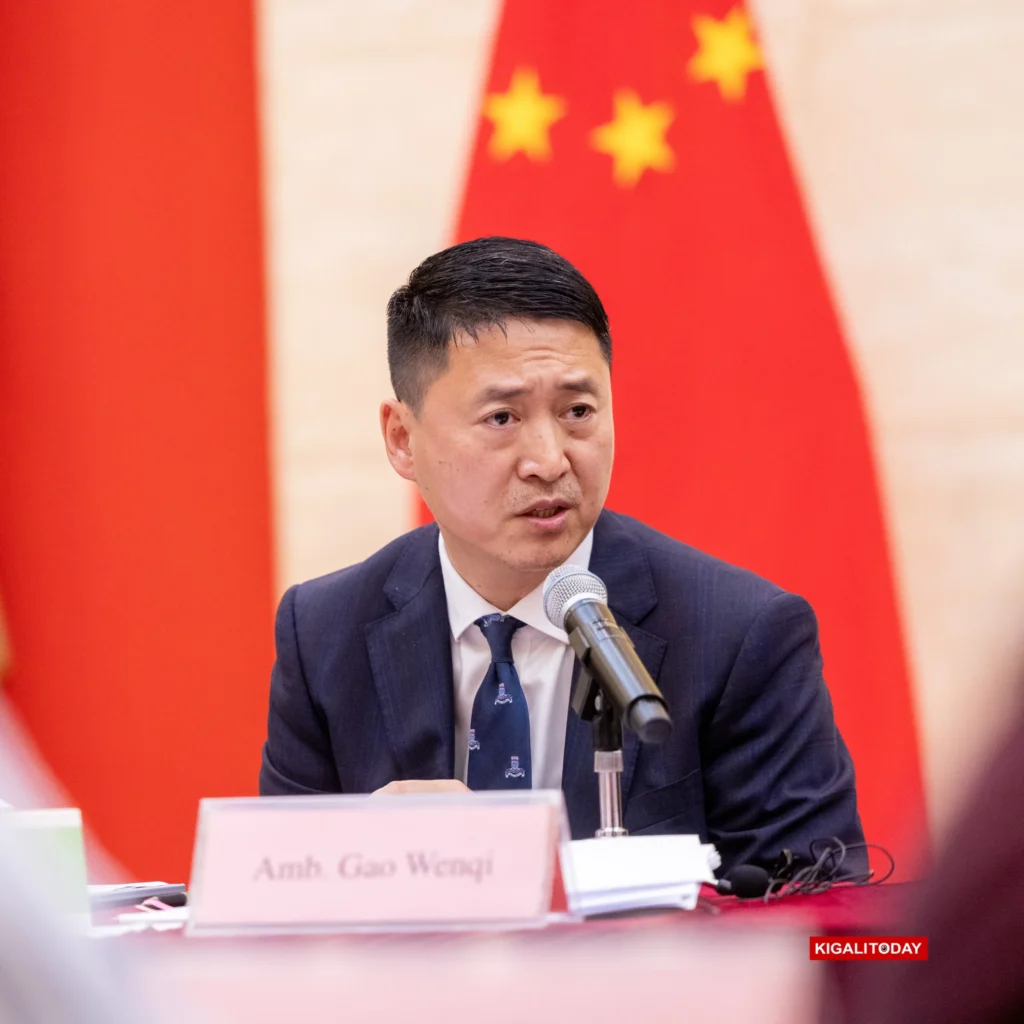
Gao also pointed to ongoing collaboration between the two countries in infrastructure development, a major area of partnership over recent years, where Chinese firms have been involved in projects supporting Rwanda’s growth agenda. He added that China is keen to deepen cooperation further in emerging sectors such as artificial intelligence and security. The remarks reflect a broader trajectory of Rwanda–China relations, which have increasingly combined economic cooperation with technology transfer, infrastructure investment, and skills development.
This partnership is also part of a long-standing and expanding framework supported by multilateral platforms such as the Forum on China–Africa Cooperation (FOCAC), through which Rwanda and China coordinate development and trade priorities. Rwanda’s participation in China’s Belt and Road Initiative has further strengthened cooperation in infrastructure and investment, particularly in roads, urban development, and regional connectivity projects. Chinese firms, including major state-linked engineering companies, have contributed to Rwanda’s infrastructure expansion agenda, supporting its ambition to become a regional logistics and services hub.
In addition to infrastructure and trade, cooperation has expanded into digital technology and innovation, with Chinese companies such as Huawei playing a role in developing Rwanda’s telecommunications systems, digital infrastructure, and ICT training programs. This aligns with Rwanda’s broader strategy to position itself as a regional leader in digital governance and innovation.
People-to-people ties have also grown through educational and cultural exchange programs, including Chinese language initiatives and scholarship opportunities for Rwandan students. These exchanges aim to strengthen skills development and deepen mutual understanding between the two countries.
Cooperation has further extended into sectors such as agriculture and health, including technical assistance, agricultural modernization efforts, and training exchanges that support value addition for export-oriented crops like coffee and tea.
Overall, Rwanda–China relations continue to evolve into a diversified partnership that integrates trade growth, infrastructure development, technology transfer, and human capital development, reinforcing the broader trajectory of deepening bilateral engagement.