
The announcement of a 10-year agreement to bring Formula 1 to Rwanda marks a historic moment for African motorsport. However, turning this opportunity into lasting economic and social benefits will be the real test.
By Senior Editor, China Africa News
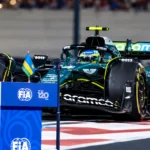
Kigali, Oct 15, 2026 — On October 13, 2026, Rwanda made history. Formula 1 officially announced a 10-year agreement to bring the African Grand Prix to Bugesera, near Kigali, in the early 2030s. After more than three decades without a Formula 1 race on the continent, Africa is finally preparing to return to the world’s most prestigious motorsport championship. This is more than a sporting announcement; it is a statement about Africa’s place in the global arena.
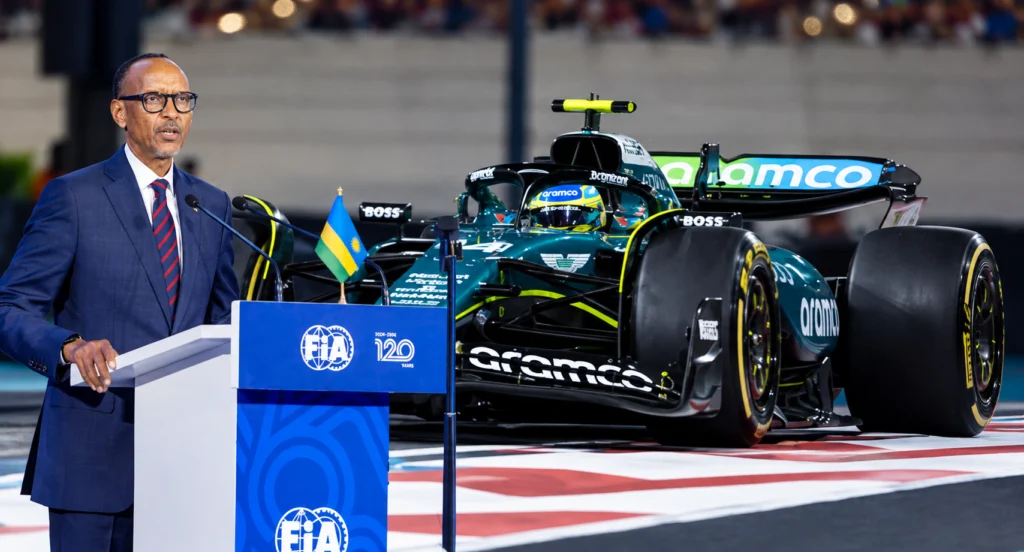
President Paul Kagame captured the significance of the moment with a powerful declaration: “Today belongs to Africa.” His words reflect an ambition that extends beyond Rwanda’s borders. For too long, African motorsport fans have watched the world’s fastest drivers compete in Europe, Asia, the Middle East and the Americas without a race on their own continent. Rwanda’s success in securing this agreement gives millions of fans a reason to imagine a different future.
The decision also reinforces Rwanda’s growing ambition to establish itself as a destination for international sporting events, tourism and investment. Hosting Formula 1 could attract visitors, create employment and open opportunities for local businesses. The proposed circuit in Bugesera, close to the new international airport under development, could become part of a wider strategy to strengthen infrastructure and promote economic growth.
The announcement represents an opportunity to reconnect with a continent that has waited decades for its return. Stefano Domenicali, Formula 1’s president and chief executive, described the development as “a landmark moment for Formula 1.” His statement reflects the championship’s ambition to expand its global reach while bringing the sport closer to its growing African fan base.
Indeed, Formula 1 is not simply a competition between elite drivers. It is a global industry encompassing engineering, technology, logistics, entertainment and business. Rwanda must therefore look beyond race weekend and consider how the event can inspire young Africans to pursue careers in these fields.
FIA president Mohammed Ben Sulayem also emphasised the wider significance, calling Africa’s return “a historic moment for our sport.” His remarks highlight an important responsibility: ensuring that the championship leaves a meaningful legacy rather than becoming an expensive spectacle enjoyed primarily by international visitors.
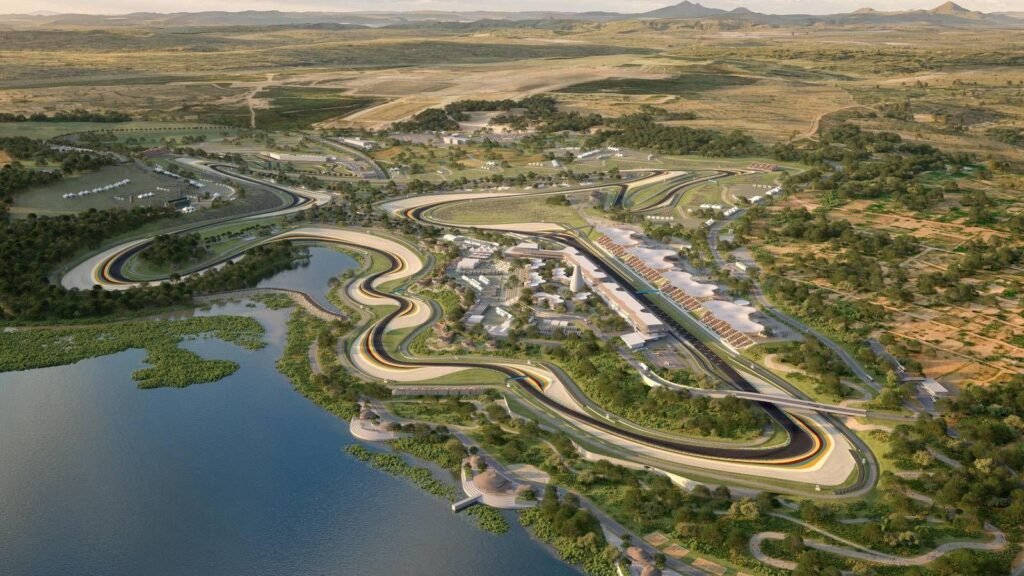
However, excitement must be accompanied by realistic expectations. Formula 1 is an expensive business, requiring substantial investment in infrastructure, security, transport and event management. Rwanda must demonstrate that the economic benefits will justify the costs. The government should be transparent about public spending and ensure that local communities benefit directly from the project.
There are also questions about sustainability. Will the Grand Prix generate enough tourism and business to support its long-term financial commitments? Will Rwandan companies secure meaningful contracts? And will young Africans gain access to the technical training and professional opportunities associated with the sport? These questions deserve answers well before the first car takes to the track.
Furthermore, international scrutiny of Rwanda’s human rights record means the country will need to address criticism alongside its sporting ambitions. Amnesty International has raised concerns about the deal, arguing that the event risks serving as a form of sportswashing. Such criticism cannot simply be dismissed; Rwanda’s international reputation will depend on more than its ability to stage a successful race.
Nevertheless, the opportunity is enormous. Rwanda has secured a platform that could inspire a new generation of African engineers, entrepreneurs and racing drivers. Its success could also encourage other African countries to invest in motorsport and compete for future races.
Ultimately, Rwanda has won the first race by bringing Formula 1 back to Africa. The next challenge is ensuring that the entire continent shares in the victory. If the promised investment, employment and development opportunities become reality, the African Grand Prix could be remembered not merely as a sporting spectacle but as a turning point for African motorsport.
The world will come to Rwanda to watch the cars race. The lasting measure of success, however, will be what remains after the engines fall silent.