
By Cremilda Macuacua, China Africa News
Addis Ababa ,17th March 2026 — A growing number of African countries are reconsidering how their natural resources are managed, sparking debate about the future of foreign investment and global supply chains. Governments across the continent are increasingly embracing policies often described as “resource nationalism,” aimed at ensuring that more value from Africa’s mineral wealth remains within national borders.
These policies include measures such as export restrictions on raw minerals, requirements for local processing, and increased state oversight of mining operations. Supporters argue that such strategies can help African economies move beyond the traditional model of exporting unprocessed resources, instead fostering domestic industries and creating local jobs.
However, the shift could have significant implications for global partners particularly China, which relies heavily on Africa for key raw materials used in manufacturing, electronics, and renewable energy technologies.
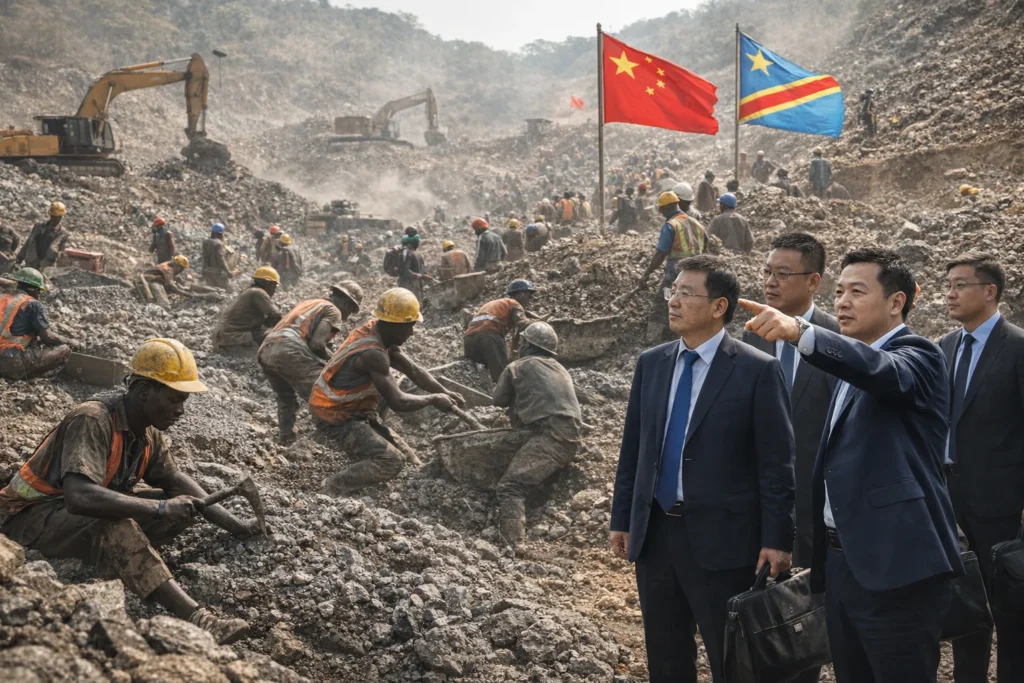
China has spent decades building strong economic ties with African nations through infrastructure projects, mining investments, and trade agreements. Minerals such as cobalt, lithium, copper, and rare earth elements critical components for batteries, electric vehicles, and electronics are central to this relationship.
Analysts note that stricter export controls or new processing requirements could disrupt existing supply chains that have long depended on steady mineral flows from African producers to Chinese manufacturing hubs. If raw materials must increasingly be refined locally before export, companies may face higher costs and logistical adjustments.
At the same time, African policymakers argue that the shift reflects a broader effort to secure long-term economic benefits from the continent’s resource wealth. By encouraging domestic refining and manufacturing, governments hope to capture more value from minerals that are in high demand globally.
The evolving policy landscape presents both opportunities and challenges. For African nations, resource nationalism may strengthen industrial capacity and economic sovereignty. For foreign investors, including Chinese companies, it may require adapting investment strategies to align with new regulations and local development goals.
Observers say the outcome will likely depend on how effectively governments balance national interests with maintaining an attractive investment climate. As demand for strategic minerals continues to rise worldwide, Africa’s resource policies are poised to play an increasingly influential role in shaping global supply chains and geopolitical partnerships.