
By Cremilda Macuácua, China Africa News
Johannesburg, March 27,2026 — China–Africa cooperation is entering a new phase of strategic importance, as African economies intensify efforts to industrialize and secure long-term, sustainable growth. According to South African economist Joseph Upile Matola of the South African Institute of International Affairs, the partnership has become “more important than ever,” reflecting both shifting global trade dynamics and Africa’s evolving development priorities.
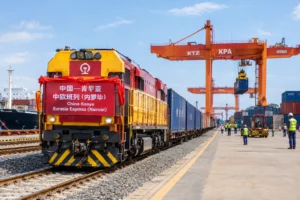
At the heart of this growing alignment is China’s position as Africa’s largest trading partner a role that has steadily expanded over the past two decades. Trade between the two has not only increased in volume but also diversified in scope, spanning infrastructure development, manufacturing, energy, and technology transfer. For many African governments, this relationship is no longer just beneficial; it is increasingly viewed as essential.
Matola’s assessment comes at a time when uncertainty clouds traditional global trade relationships. Some long-standing partners have shown hesitation in committing to consistent, long-term economic engagement with the continent. This has created both a gap and an opportunity one that China appears ready to fill through sustained investment and policy continuity.
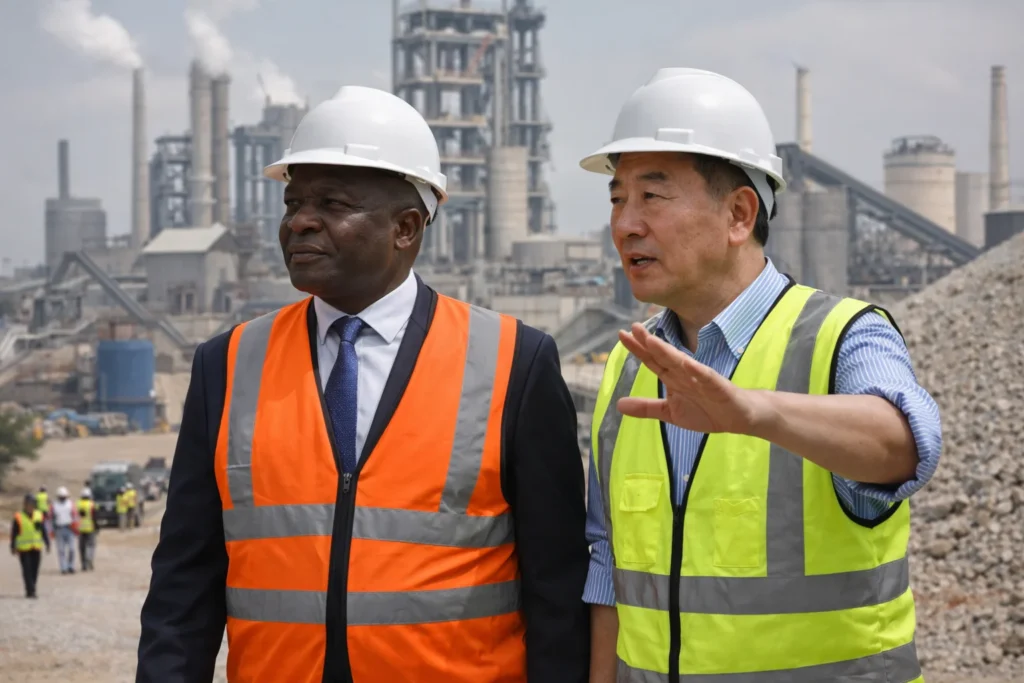
A key feature of China–Africa cooperation is its alignment with Africa’s industrialization agenda. Across the continent, countries are seeking to move beyond raw material exports toward value-added production and manufacturing. Industrial parks, special economic zones, and infrastructure corridors many supported by Chinese financing and expertise are becoming central to these ambitions. These initiatives are designed not only to boost exports but also to create jobs, develop skills, and strengthen domestic industries.
Trade policy has also played a role in deepening ties. Measures such as expanded market access for African exports to China, including zero-tariff treatment for a range of goods, have been highlighted by analysts as mechanisms that could help rebalance trade flows and encourage African producers to scale up. While challenges remain particularly around trade imbalances and debt sustainability the overall trajectory points toward increasing integration.
Beyond economics, the partnership carries broader geopolitical implications. As global supply chains are reconfigured and competition for influence in emerging markets intensifies, Africa’s strategic significance is rising. In this context, China’s consistent engagement offers a degree of predictability that many African policymakers value.
However, the deepening relationship is not without scrutiny. Analysts continue to debate the long-term impacts of Chinese investment, particularly regarding local industry development, environmental standards, and financial sustainability. African leaders, for their part, are increasingly focused on ensuring that partnerships deliver tangible benefits to their populations, including technology transfer and local capacity building.
What is clear is that China–Africa cooperation is no longer defined solely by trade volumes or infrastructure projects. It is evolving into a more complex, strategic partnership shaped by shared economic interests and a rapidly changing global landscape.
As African countries push forward with industrialization plans, the role of reliable international partners will remain critical. In this environment, China’s engagement marked by scale, speed, and continuity positions it as a central player in the continent’s next phase of economic transformation.