
By Cremilda Macuácua, China Africa News
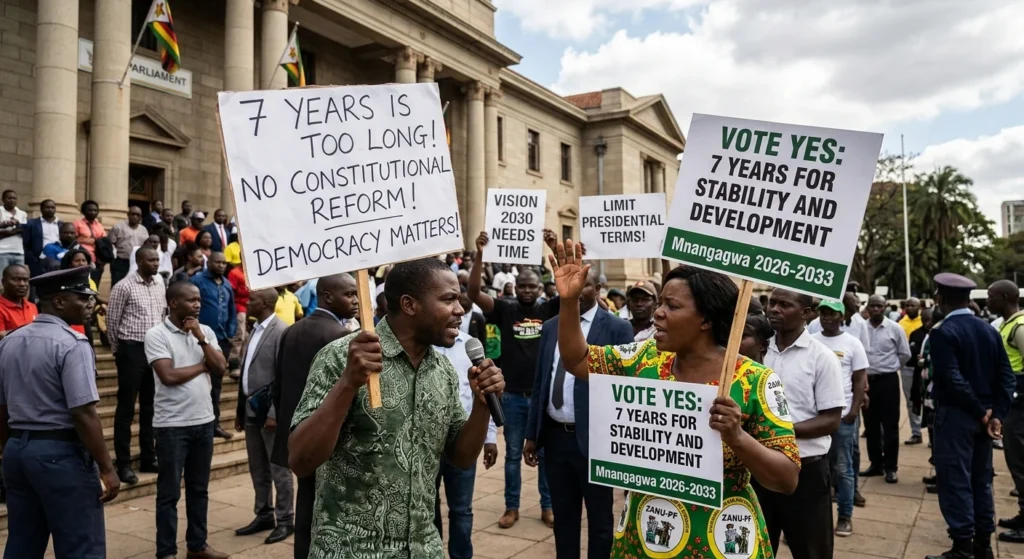
Harare, June 22, 2026 — Zimbabwe’s lower house of parliament has approved legislation that would extend presidential terms from five years to seven years, a move that has generated intense political debate. If the proposal completes the legislative process, it could allow President Emmerson Mnangagwa to remain in office beyond the timeline originally anticipated under the current constitutional framework.
Supporters argue that longer terms can provide governments with more time to implement long-term development strategies without the disruptions associated with frequent elections. Opponents, however, view the proposal as part of a wider trend in which constitutional reforms are used to extend political power.
The debate extends beyond Zimbabwe itself. Across Africa, constitutional amendments affecting presidential tenure often trigger broader discussions about democratic accountability, institutional strength, and political succession.
As the legislation advances through the remaining stages of approval, attention is likely to focus not only on the legal process but also on public reactions and the implications for Zimbabwe’s political future