
By Senior Editor
NAIROBI, Kenya, Oct. 24, 2026 — China used a high-level international summit in Nairobi this week to promote its vision for global development, security and governance, presenting closer cooperation with African countries as an important part of efforts to address international challenges.
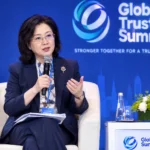
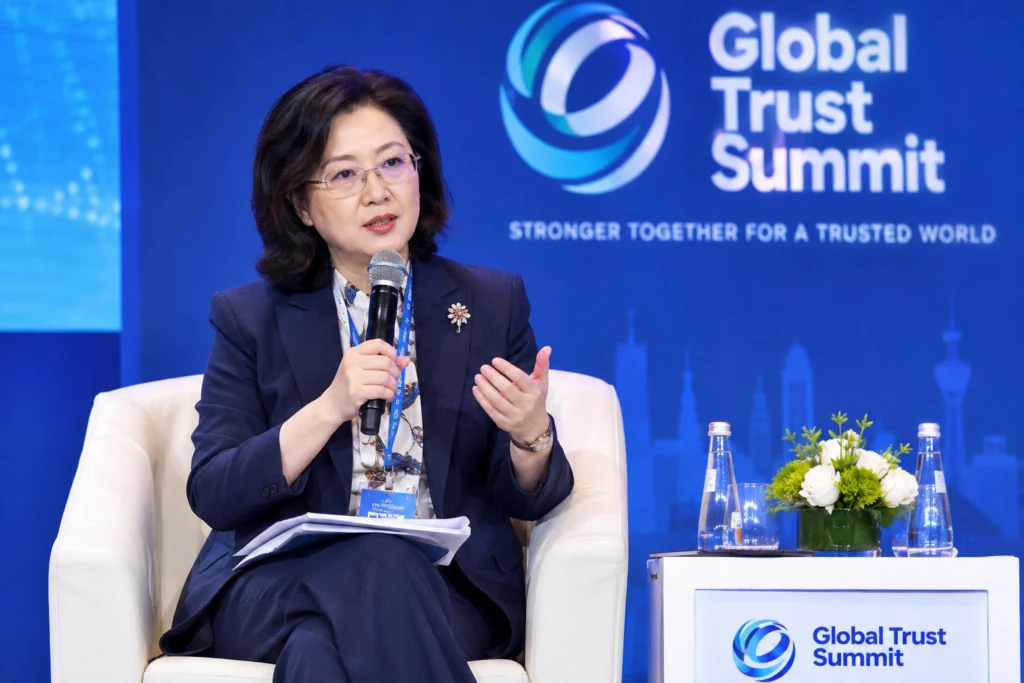
Guo Haiyan, China’s ambassador to Kenya, participated in a panel discussion at the Trust Summit, held in Nairobi from Oct. 21 to 23. The gathering brought together political leaders and representatives of international organisations and other sectors to discuss the importance of trust in international relations.
During the discussion, Guo outlined four initiatives proposed by Chinese President Xi Jinping: the Global Development Initiative, the Global Security Initiative, the Global Civilization Initiative and the Global Governance Initiative.
She argued that trust between countries was essential to international cooperation and said China was ready to work with African nations on development, security, cultural exchange and reform of global governance.
The remarks reflect Beijing’s broader diplomatic effort to strengthen ties with African governments and promote a greater role for developing countries in international decision-making.
Africa’s role in global governance
China has increasingly presented its engagement with African countries as a partnership focused on economic development and a more representative international system.
Many African governments have called for greater influence in global institutions, including those responsible for international finance, security and development. China has supported calls for changes to global governance structures while seeking to strengthen its own diplomatic relationships across the continent.
At the Nairobi summit, Guo discussed principles for constructive international engagement in addressing conflicts and other regional challenges.
Her remarks emphasised cooperation and multilateralism. However, the public account of the event did not identify specific new Chinese funding commitments, security agreements or development projects arising from the discussions.
That distinction is important because diplomatic declarations do not necessarily translate into immediate policy changes. The practical significance of China’s proposals will depend on how they are implemented and whether participating countries agree on concrete measures.
A wider conversation about trust
The summit concluded on Oct. 23 with the adoption of the Nairobi Declaration on Trust and Call to Action, according to the event’s organisers.
The declaration identifies trust as an important foundation for cooperation among governments, institutions and communities. It also addresses public institutions, multilateralism, digital technology and inclusion.
The document calls for follow-up mechanisms to support implementation and for the summit to be convened every two years.
China’s participation placed its diplomatic message within a broader international discussion about how governments can strengthen cooperation amid disagreements over security, economic inequality and the effectiveness of multilateral institutions.
For Kenya, hosting the gathering provided a platform for international engagement. For China, the summit offered an opportunity to present its diplomatic initiatives to an audience that included African and international representatives.
The broader question is whether the diplomatic messages exchanged in Nairobi will translate into concrete cooperation on issues such as development financing, international security and reform of global institutions.
For African governments, engagement with China offers opportunities to pursue investment and strengthen their international influence, while also requiring careful consideration of national interests and the practical outcomes of proposed partnerships.