
By Staff writer
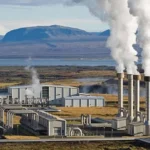
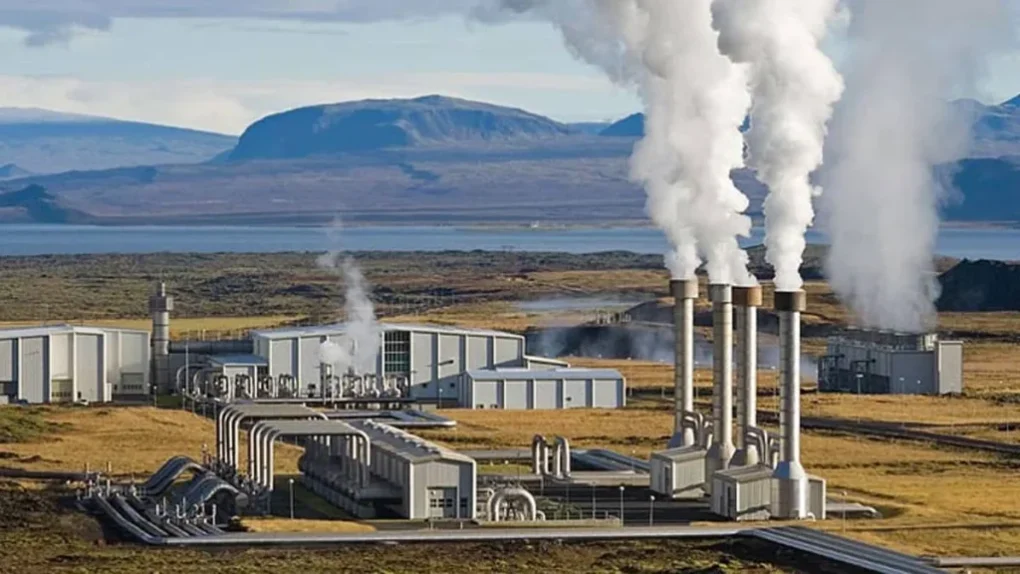
NAIVASHA, November 25, 2026 — Kenya has strengthened its renewable energy capacity following the completion of rehabilitation works at the Olkaria I geothermal power station, adding 63.3 megawatts (MW) to the national electricity grid as the country steps up efforts to meet growing energy demand and attract investment in clean power generation.
The development marks an important milestone for Kenya’s energy sector, with the country’s oldest geothermal power station returning to operation after undergoing a three-year rehabilitation programme.
Kenya Electricity Generating Company (KenGen) announced the completion of the works, which have increased the plant’s generation capacity from approximately 45MW to 63.3MW. The facility, originally commissioned in 1981, has played an important role in Kenya’s development of geothermal energy, a resource that has become central to the country’s electricity generation strategy.
The rehabilitation involved upgrading major generating equipment and improving the plant’s operational systems. Testing is continuing ahead of its official commissioning, expected to be led by President William Ruto in December.
The additional capacity comes at a time when electricity demand is rising, driven by population growth, urbanisation, industrial activity and expanding commercial operations. Strengthening domestic generation is therefore an important part of Kenya’s efforts to improve energy security and reduce pressure on electricity imports.
Beyond the immediate increase in electricity supply, the Olkaria project reflects Kenya’s wider ambition to position itself as a regional leader in renewable energy. Geothermal power offers an important advantage because it can provide relatively consistent electricity regardless of changing weather conditions, complementing other renewable sources such as wind, solar and hydropower.
KenGen is also looking beyond the rehabilitation project, seeking local and international investors to support an ambitious pipeline of future energy developments. The company is targeting an additional 5,540MW of generation capacity by 2034, reflecting the scale of investment required to support Kenya’s long-term energy ambitions.
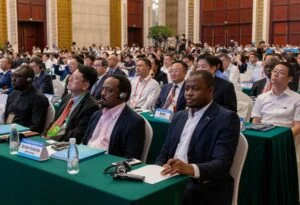
A sustainable energy conference taking place in the Olkaria region from November 24 to 27 is providing an opportunity for discussions with potential financiers and industry stakeholders on future projects, investment requirements and the development of the country’s energy sector.
For Kenya, expanding renewable energy capacity is not only about generating more electricity. It is also closely linked to industrial competitiveness, job creation, investment attraction and the country’s broader economic transformation.
Reliable and affordable electricity will be increasingly important as African economies seek to expand manufacturing, develop digital infrastructure and attract investment in energy-intensive industries.
Kenya’s experience also carries wider significance for the continent. Africa possesses substantial renewable energy resources, yet many countries continue to face challenges related to electricity access, infrastructure financing and the cost of expanding generation capacity.
The progress at Olkaria demonstrates how investment in existing infrastructure, technological upgrades and long-term energy planning can contribute to addressing some of these challenges.
As Kenya pursues its energy expansion plans, the focus will increasingly turn to mobilising investment, strengthening regional cooperation and ensuring that new generation capacity translates into reliable and affordable electricity for households and businesses.
The country’s renewable energy ambitions therefore extend beyond national borders, offering an example of how African economies can use their natural resources, technical expertise and international partnerships to advance a more sustainable energy future.