
By Cyubahiro Bonaventure
KIGALI, Rwanda | November 26, 2026
African leaders have called for greater youth participation in shaping the continent’s future, as the eighth edition of the YouthConnekt Africa Summit brings together policymakers, entrepreneurs, development partners and young people from across Africa in Kigali.
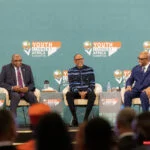
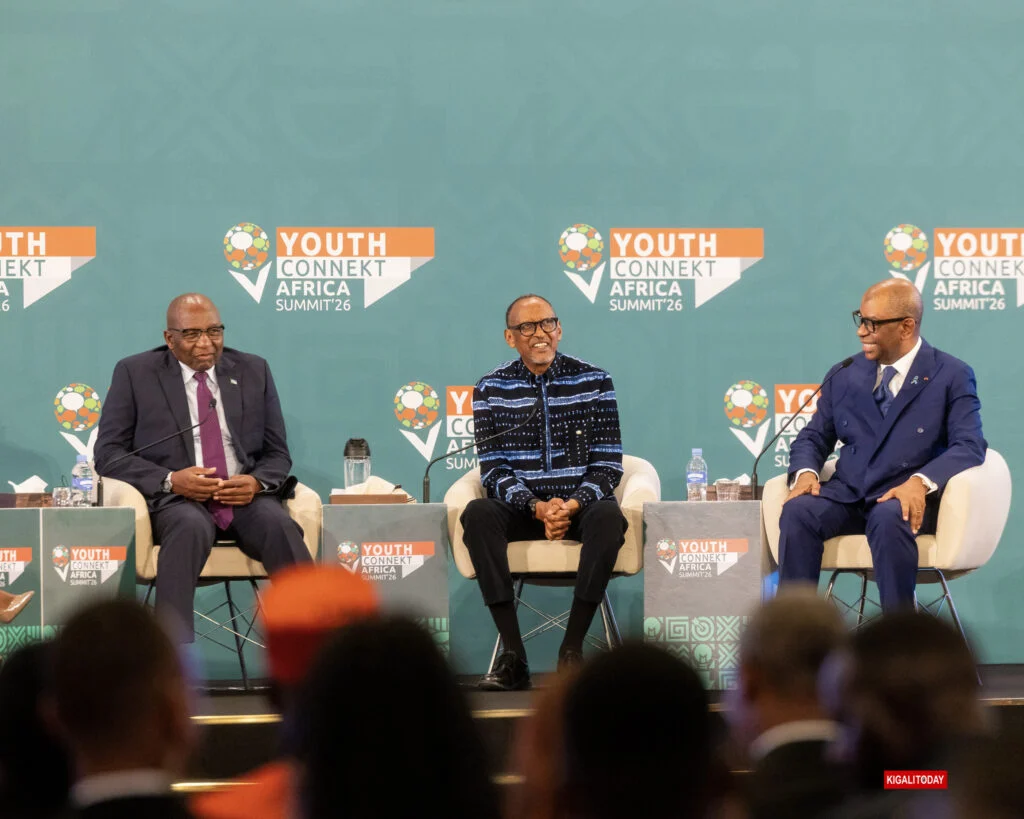
Rwandan President Paul Kagame, Lesotho’s Prime Minister Ntsokoane Samuel Matekane and Gabon’s Vice-President Alexandre Barro Chambrier are among the high-level representatives participating in discussions examining the role of young people in Africa’s economic transformation, leadership and sustainable development.
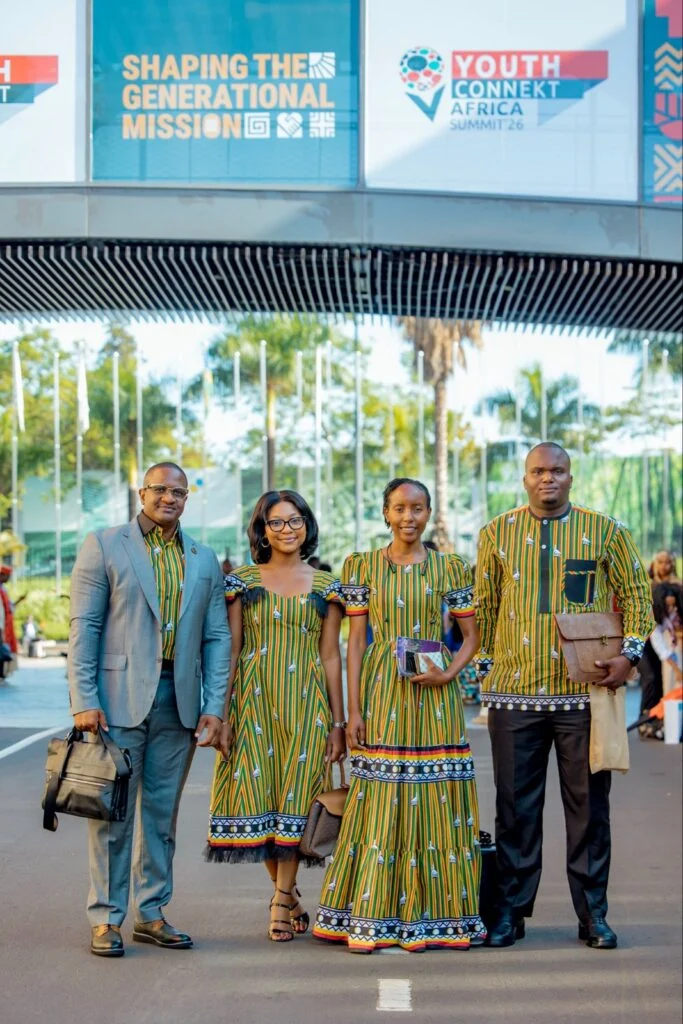
The summit, running from November 25 to 27 under the theme “Shaping the Generational Mission,” provides a platform for African governments and young people to discuss practical solutions to challenges affecting the continent, including unemployment, limited access to finance, technological change and economic inequality.
Addressing participants, President Kagame emphasised the importance of African youth taking responsibility for their future rather than depending entirely on governments or external assistance. He called for a shift towards greater self-reliance, innovation and collaboration, particularly among young entrepreneurs seeking to establish and expand businesses.
Kagame also stressed that African countries must strengthen cooperation to unlock economic opportunities for their populations. He highlighted the importance of partnerships, arguing that young entrepreneurs can achieve more by working together, sharing knowledge and building businesses beyond their national borders.
His message reflected a broader discussion at the summit about the need to transform Africa’s youthful population into an economic asset through entrepreneurship, skills development and meaningful participation in decision-making.
Gabon’s Vice-President Alexandre Barro Chambrier brought his country’s perspective to the discussions, highlighting the importance of investing in young people as drivers of economic diversification and national development.
His participation underscored the need for African countries to exchange experiences and strengthen cooperation in addressing challenges that transcend national boundaries. Gabon’s engagement also offered an opportunity to explore partnerships with Rwanda and other participating countries in areas relating to innovation, entrepreneurship and youth empowerment.
Lesotho’s Prime Minister Ntsokoane Samuel Matekane also joined the high-level dialogue, reinforcing the importance of creating an enabling environment in which young Africans can translate their ideas into sustainable economic opportunities.
His contribution highlighted the responsibility of governments to ensure that young people have access to the resources, skills and institutional support required to participate in economic activities and leadership structures.
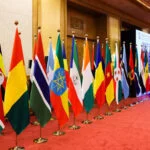
The participation of leaders from Rwanda, Gabon and Lesotho demonstrated the summit’s continental character, bringing together different national experiences around a shared development priority: ensuring that young people are not merely beneficiaries of government programmes but active contributors to Africa’s transformation.
Beyond the political discussions, the three-day summit is addressing issues including artificial intelligence, digital innovation, entrepreneurship, employment, climate resilience, creative industries and regional economic integration.
These conversations come at a critical time for Africa. The continent has one of the world’s youngest populations, presenting significant opportunities for economic growth while placing pressure on governments to expand employment, education and skills-development opportunities.
The broader objectives of the YouthConnekt initiative recognise that connecting young people to opportunities, markets, knowledge and decision-makers is essential to accelerating their contribution to national and continental development.
As discussions continue in Kigali, attention will increasingly turn to how commitments made during the summit can translate into measurable outcomes, including business opportunities, stronger regional partnerships, investment in innovation and policies that respond to the needs of young Africans.
Ultimately, the message emerging from the gathering is that Africa’s next chapter cannot be written without its young people. Their participation in leadership, enterprise and decision-making will be central to determining whether the continent can turn its demographic potential into lasting economic and social progress.