
By Bryson Bichwa-China Africa News-Johannesburg
Africa is bleeding revenue. Every year, roughly US $90 billion slips out of the continent through illicit financial flows via corruption, tax evasion, trade mis-invoicing, and regulatory loopholes. These are not distant abstractions or statistical footnotes. They mark the yawning gap between failing schools, underfunded clinics, fractured infrastructure—and what might have been, had that money stayed.
Many African states have embarked on reform efforts. But the problem doesn’t stop at national borders, which is why international cooperation is critical. Over the past years, China and Africa have quietly begun to build frameworks in tax policy, treaty diplomacy, and transparency that, while imperfect, point toward a path of accountability rather than Abdication.
In December 2021, China and Rwanda inked an agreement to eliminate double taxation and advance protocols targeting tax evasion and avoidance. That move was not just about easing investor burdens it was a signal: bilateral tax systems must speak to one another, not work at cross-purposes. Rwanda saw it as a step toward consolidating its position as an investment hub.
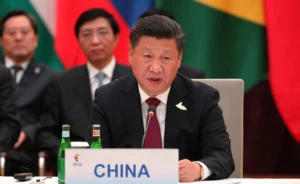
Then, in September 2024 at the FOCAC summit, China announced that it had signed tax treaties with 21 African countries. The message was clear: Beijing wants tax cooperation to be part of its development narrative with the continent. These treaties, in principle, help clarify tax liabilities, reduce double taxation, and constrain strategies that shift profits artificially across borders to evade taxation.
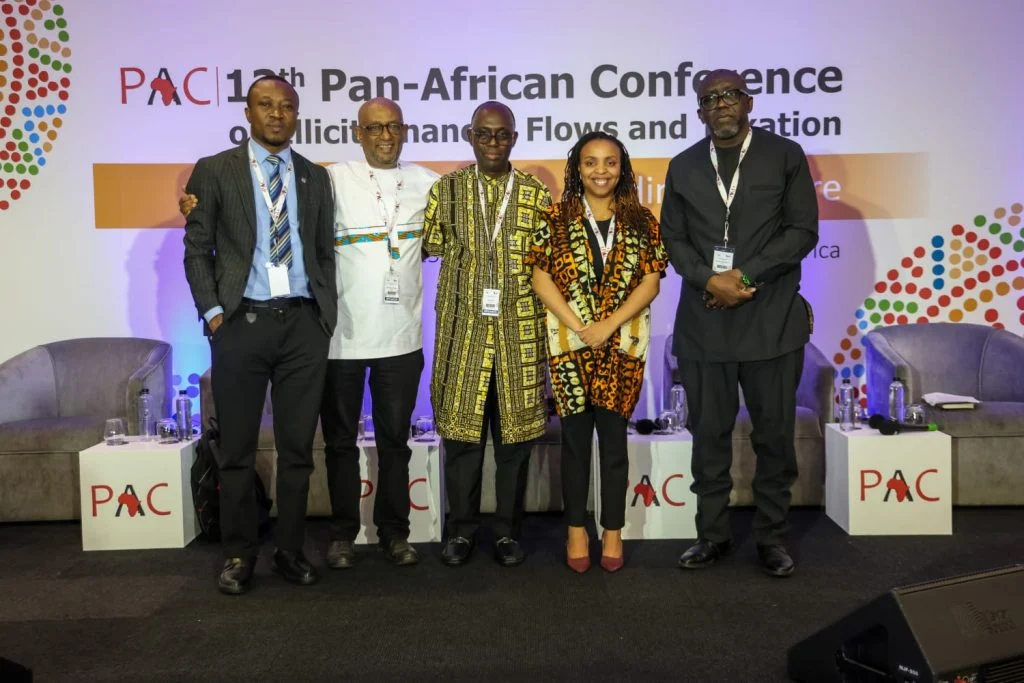
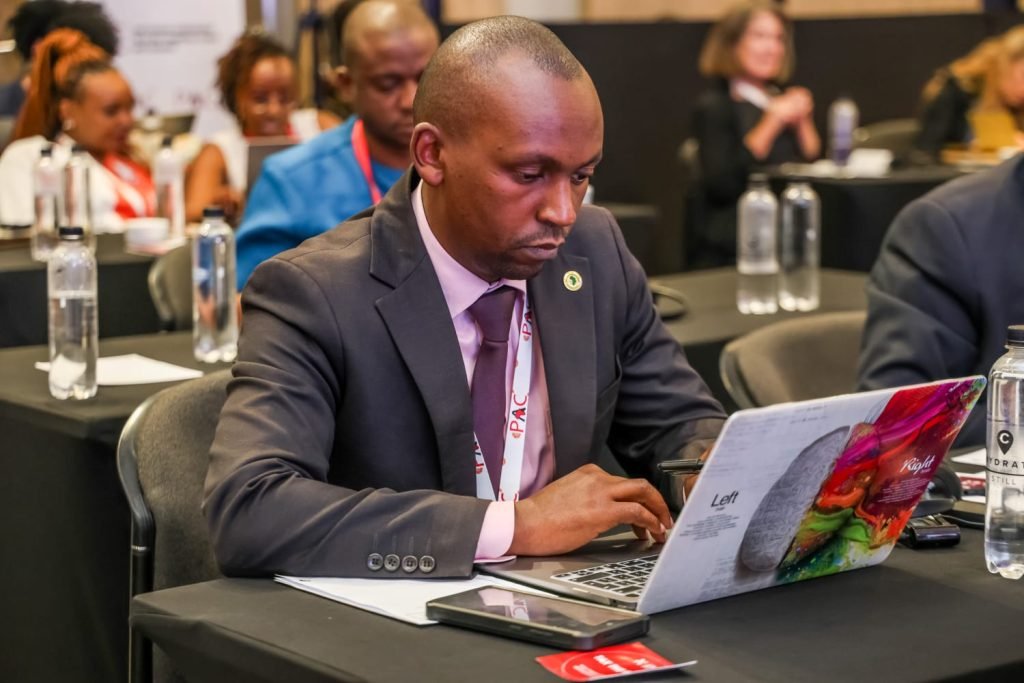
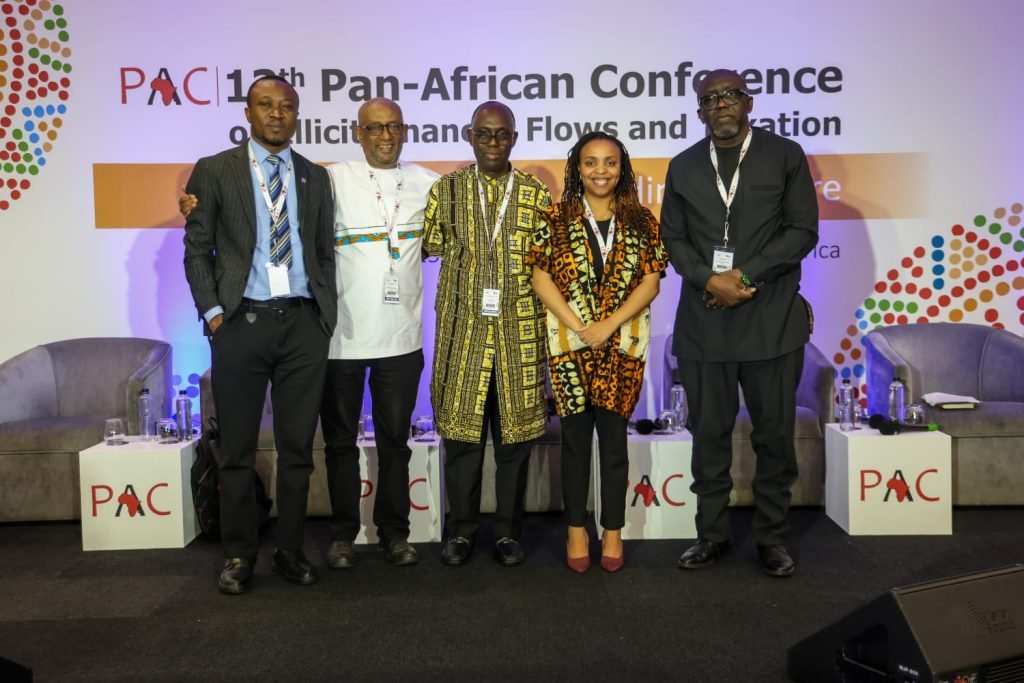
Much of the real pressure, however, is coming from within Africa itself. The Pan-African Conference on Illicit Financial Flows and Taxation (PAC 2025) in Johannesburg brought together government officials, researchers, civil society voices, and media to diagnose failure points and sketch collective action. Parliamentarians, via the African Parliamentary Network on Illicit Financial Flows and Taxation (APNIFFT), are pushing not just oversight but legal reform, cross-border harmonization, and stronger institutional teeth.
Initiatives like the African Development Bank’s African Financial Integrity and Accountability Support Project (AFIAP), and its complementary scheme addressing resource-backed debt (GONAT), aim to shift the balance toward accountability and inside-Africa control over revenue flows. ATAF the African Tax Administration Forum has stepped into a more muscular role, helping African states push together against the external pressures of tax arbitrage and capital flight.
So what do we make of China’s role and Africa’s strategies when they collide? Those tax treaties China-Rwanda and beyond go after two of the most common escape routes for illicit finance: hiding profits in low-tax jurisdictions, and over- or under-invoicing cross-border trade. By weaving tighter legal bonds between tax authorities, these treaties can reduce the wiggle room for multinationals and intermediaries. China’s collaboration with global tax policy mechanisms state taxation administrations, transparency norms, and beneficial ownership rules adds structural support to Africa’s climb. Meanwhile, African states and civil society are pushing harder to demand transparency in extractive contracts, public reporting of beneficial owners, and legislative oversight that cannot be shrugged off.
Yet the terrain ahead is steep. Treaties are only as strong as their enforcement; many African tax agencies still struggle with limited staff, weak audit capacity, and underfunded technology systems. Opaque deals over resource extraction and external investment still evade public scrutiny. And in the negotiations themselves, power imbalances often favor countries with deeper financial, legal, or diplomatic leverage meaning weaker states may accept terms that tilt the field against their long-term sovereignty.
Imagine if even a quarter of the US $90 billion currently lost were reclaimed. That money would finance roads, hospitals, schools, water networks, and sustainable infrastructure without packing on more debt or heightening dependency.
The quiet diplomacy between China and Africa carries potential but it risks becoming just another layer in the architecture of extraction unless it is matched by legal reforms, institutional capacity build-up, accountability, and equal bargaining rights. African governments, regional bodies, civil society, and citizens must demand more than treaties and MoU’s; they must demand enforceable norms, public scrutiny, and renegotiation power.
If China–Africa tax cooperation is strengthened, enforced, and democratized, then the narrative may shift. Once seen as a story of loss, it could become a story of regained sovereignty, dignity, and shared prosperity.