
By Senior Editor-China Africa News
Beijing/Africa
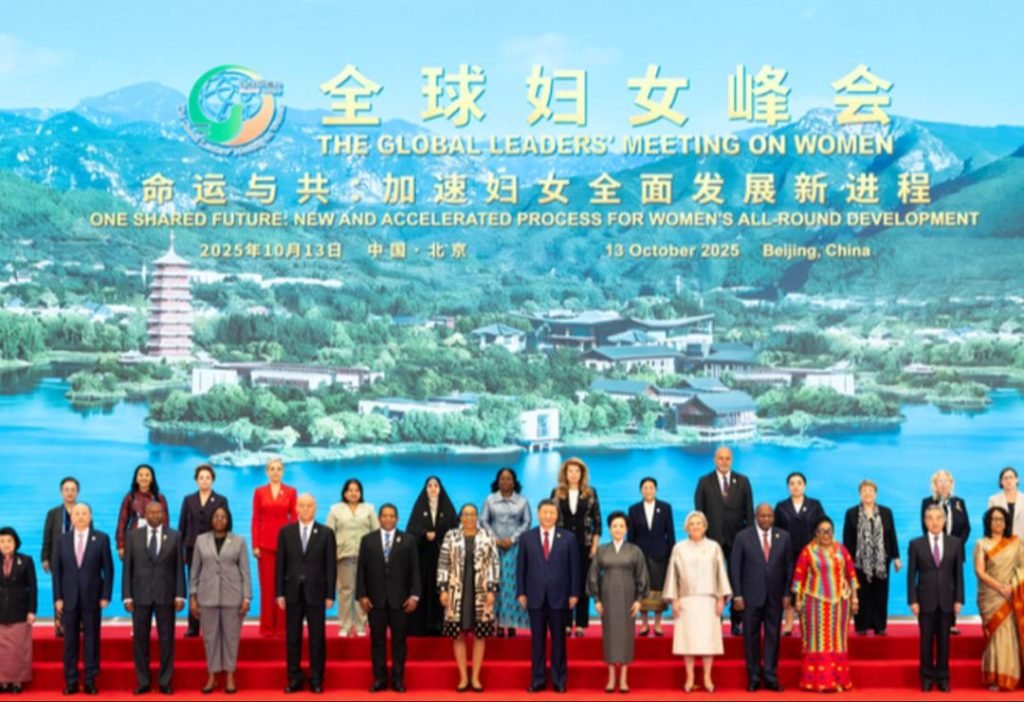
In October 2025, Beijing hosted the Global Leaders’ Meeting on Women, marking the 30th anniversary of the Fourth World Conference on Women held in 1995. This summit brought together leaders from around the world to assess progress and reaffirm commitments to gender equality and women’s empowerment.
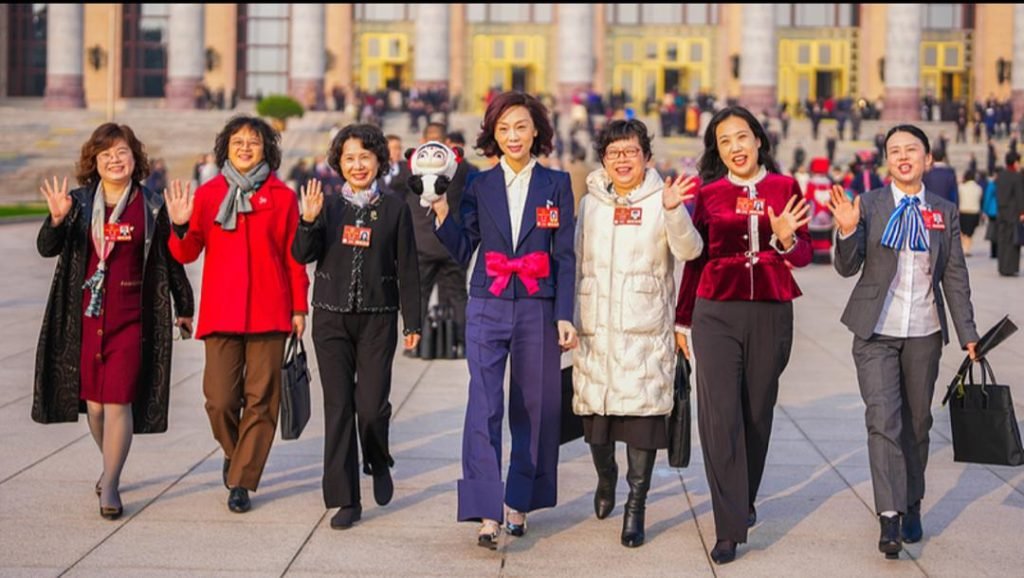
At the 1995 conference, the Beijing Declaration and Platform for Action were adopted, setting a global agenda for women’s rights. Over the past three decades, significant strides have been made in various regions, yet challenges persist that require renewed focus and action.
Progress Since 1995
In China, the Beijing Declaration spurred policy reforms and societal shifts. The government strengthened legal frameworks protecting women’s rights, promoting equal access to education and employment. Women’s participation in the workforce and political spheres has steadily increased, reflecting a broader cultural acceptance of gender equality. Health initiatives targeting maternal care and reproductive rights have improved, contributing to better overall well-being.
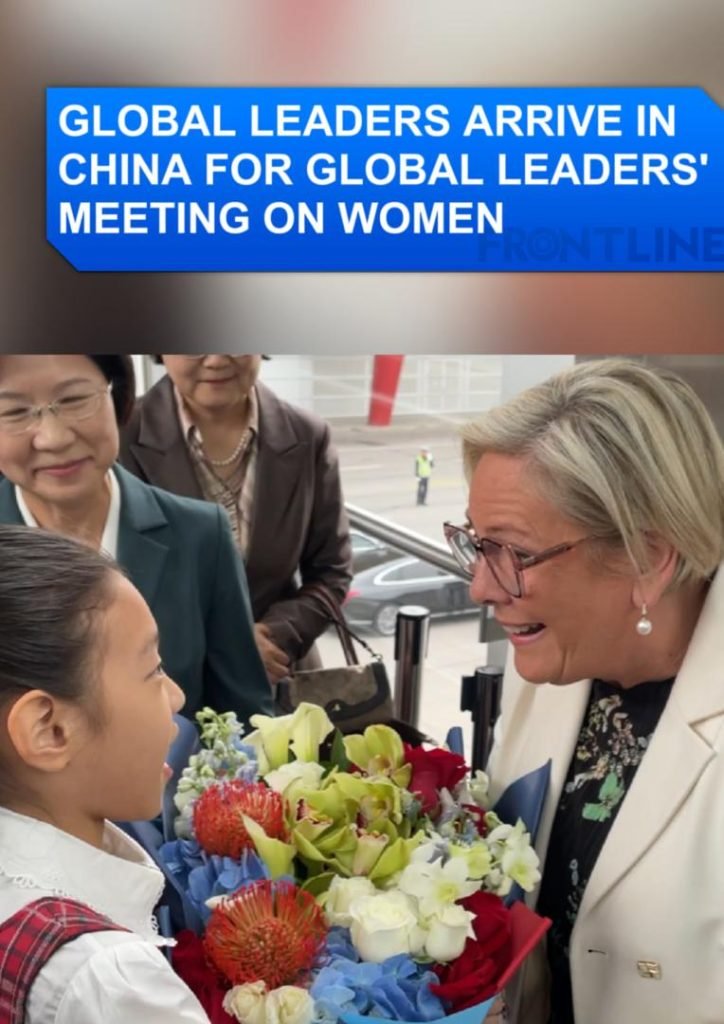
Similarly, in Africa, the conference energized governments and civil society organizations to prioritize women’s empowerment. Countries across the continent have enacted laws to combat gender-based violence, promote girls’ education, and increase women’s political representation. The rise of women leaders in politics, business, and grassroots activism highlights the progress made. Programs aimed at economic empowerment and health have positively impacted millions of women, improving livelihoods and social status.
Challenges and the Way Forward
Despite these achievements, persistent inequalities, cultural barriers, and socio-economic disparities continue to limit women’s full participation in society. In both China and Africa, gaps in rural areas, among marginalized communities, and in access to technology highlight ongoing vulnerabilities.
For China, the future calls for addressing emerging issues such as gender wage gaps in rapidly modernizing industries, balancing work and family life, and combating subtle gender biases. Continued efforts to integrate gender perspectives into economic planning and social policies will be crucial.
In Africa, the path forward requires strengthening legal frameworks, enhancing access to education and healthcare, and promoting women’s participation in leadership roles. Collaborative efforts between governments, civil society, and international organizations will be essential to overcome existing challenges.
The 2025 Global Leaders’ Meeting on Women served as a platform to reflect on the progress made since the 1995 Beijing conference and to renew commitments towards achieving gender equality. While significant strides have been made, continued efforts are necessary to address ongoing challenges and ensure that women and girls worldwide can realize their full potential.