
By Senior Editor,China Africa News
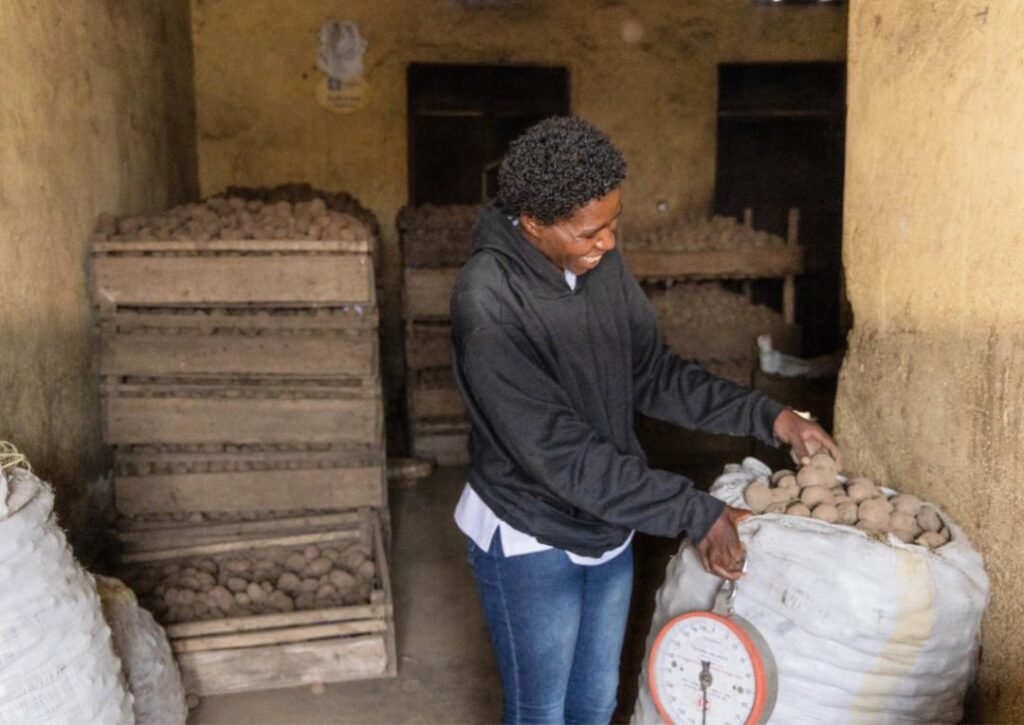
KINIGI, Rwanda, June 19,2026 — For much of his life, the land cultivated by Ndungutse François was the foundation of his family’s survival.
Nestled in Kinigi Sector near Volcanoes National Park, the fields produced Irish potatoes and pyrethrum, generated income for school fees, and provided the certainty that farming families in rural Rwanda depend upon. Giving it up was not a decision that came easily.
Yet today, François sees the land through a different lens.
As discussions intensified over efforts to protect and expand habitat for endangered mountain gorillas, he began weighing the value of agriculture against the broader economic contribution of wildlife conservation.
“Looking at the role gorillas play in attracting visitors and generating revenue for Rwanda, we realized the benefits extend far beyond what we earned from farming,”
He said.His experience reflects a broader shift taking place around Volcanoes National Park, where conservation authorities and local communities are navigating one of the most challenging questions in environmental protection: how to safeguard critical wildlife habitat without alienating the people who live closest to it.
According to the African Wildlife Foundation (AWF), which is working alongside the Rwanda Development Board (RDB), more than 145 hectares of land had been acquired through negotiated agreements with residents by March 2026. The land is intended to support park expansion and designated resettlement areas, with the process conducted under Rwanda’s legal framework and international social safeguard standards.
The initiative represents a growing recognition that conservation efforts are more likely to succeed when communities are active participants rather than passive observers.
A Different Conservation Model
Across Africa, the history of conservation has often been marked by tension between environmental protection and local livelihoods. Protected areas have frequently been established through restrictive measures that limited access to land and natural resources, sometimes generating resentment among neighboring communities.
The model emerging around Volcanoes National Park seeks a different path.
Instead of compulsory relocation, authorities and conservation partners have pursued negotiated agreements with landowners, coupled with compensation and support for resettlement. The approach is built on the principle that communities should not bear the burden of protecting globally significant wildlife without sharing in the benefits.
For residents such as François, that conversation has increasingly centered on the economic importance of mountain gorillas.
Found only in a handful of protected forests across the Virunga landscape and neighboring regions, mountain gorillas have become one of Rwanda’s most valuable tourism assets. Thousands of international visitors travel annually to Volcanoes National Park for gorilla trekking experiences, generating substantial foreign exchange earnings and contributing to national development.
The government’s revenue-sharing programs have also directed a portion of tourism proceeds toward community projects, including schools, roads, health facilities, and livelihood initiatives in districts surrounding the park.
As a result, many residents now view conservation not only as an environmental responsibility but also as an economic opportunity.
Beyond the Park Boundary
Conservation experts increasingly argue that the future of endangered species depends on managing entire landscapes rather than focusing solely on protected-area boundaries.
Wildlife populations require connected habitats, while neighboring communities require economic opportunities and secure livelihoods. Reconciling those interests remains one of the defining challenges of modern conservation.
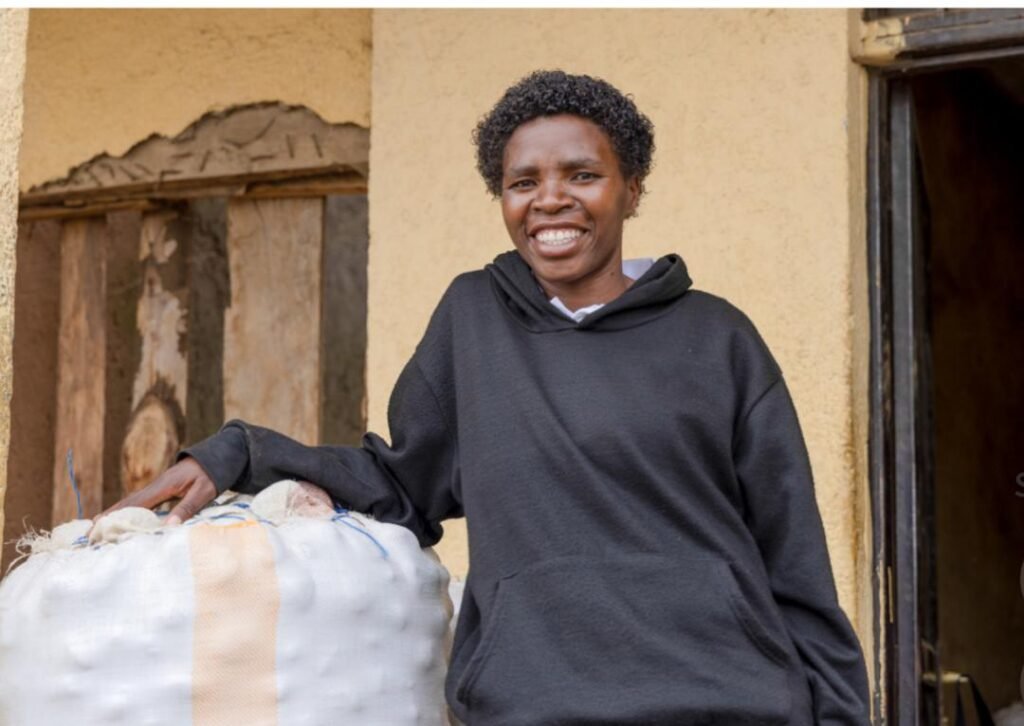
AWF says its landscape-based approach emphasizes coexistence, community participation, and governance systems that allow people and wildlife to thrive together.
The experience unfolding in northern Rwanda illustrates both the opportunities and complexities of that strategy.
While questions remain about long-term livelihood transitions and the sustainability of compensation arrangements, the process has demonstrated that conservation initiatives can gain broader legitimacy when communities are included in decision-making and when tangible benefits are visible at the local level.
For François, the choice to release his land was ultimately tied to a larger vision of shared responsibility.
“The activity serves the public interest and helps preserve the ecosystem,” he said.
His words capture a changing relationship between people and wildlife in Rwanda—a relationship increasingly defined not by conflict over land, but by negotiation, mutual benefit, and a growing understanding that the survival of mountain gorillas and the prosperity of neighboring communities may be more closely connected than once believed.
Source: African Wildlife Foundation (AWF)