
By Cremilda Macuácua, China Africa News
Beijing, March 7, 2026 — As Africa and China mark seven decades of diplomatic engagement, a renewed narrative of solidarity, sovereignty and shared prosperity is emerging across the Global South. According to a commentary published by People’s Daily Online, the evolving partnership reflects both a long historical relationship and a strategic vision for future economic cooperation.
For many African countries, relations with China date back to the era of anti-colonial struggles, when Beijing supported liberation movements across the continent. Over time, this relationship has transformed into a multifaceted partnership centered on trade, infrastructure development and diplomatic cooperation. Observers note that the shared emphasis on sovereignty and non-interference has shaped a distinct model of engagement compared with traditional partnerships with Western powers.
A major development highlighted by People’s Daily is China’s decision to expand market access for African exports. Beginning in May 2026, China plans to grant zero-tariff treatment to imports from 53 African countries that maintain diplomatic relations with Beijing. The policy is expected to provide African exporters with unprecedented access to one of the world’s largest consumer markets.
Analysts say the move could create new opportunities for African producers, particularly in sectors such as agriculture, textiles and processed foods. Products ranging from coffee and tea to beef, cotton and fruit may gain a stronger foothold in Chinese markets. For many African economies seeking to diversify exports and reduce reliance on raw materials, the initiative could help stimulate value-added production and manufacturing.
The policy also aligns with broader continental ambitions promoted by the African Union, which has long encouraged industrialization and intra-African trade. Increased access to Chinese markets may provide incentives for African countries to expand local processing industries and improve supply chains, potentially creating jobs and boosting economic resilience.
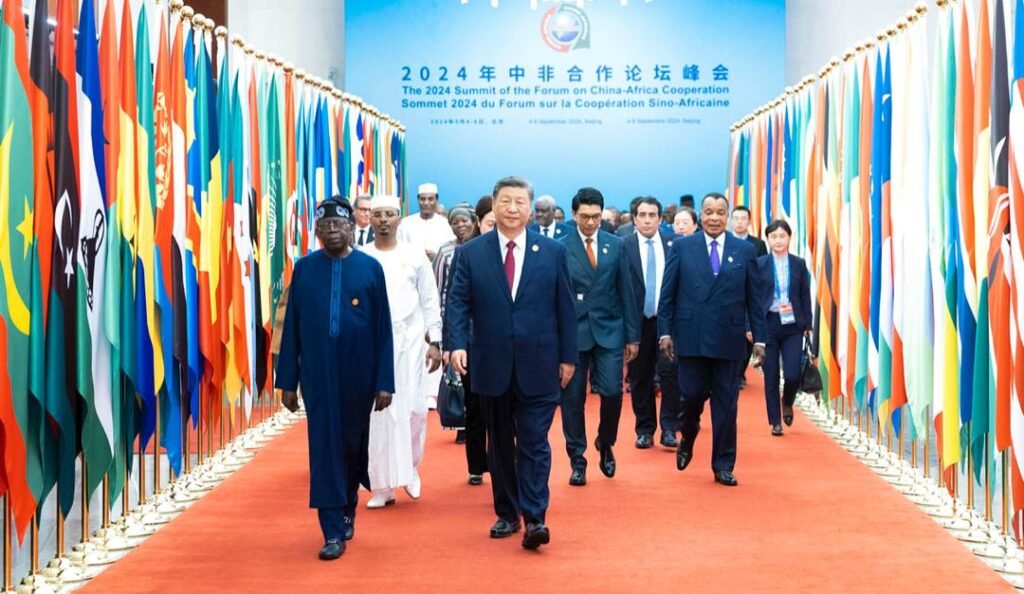
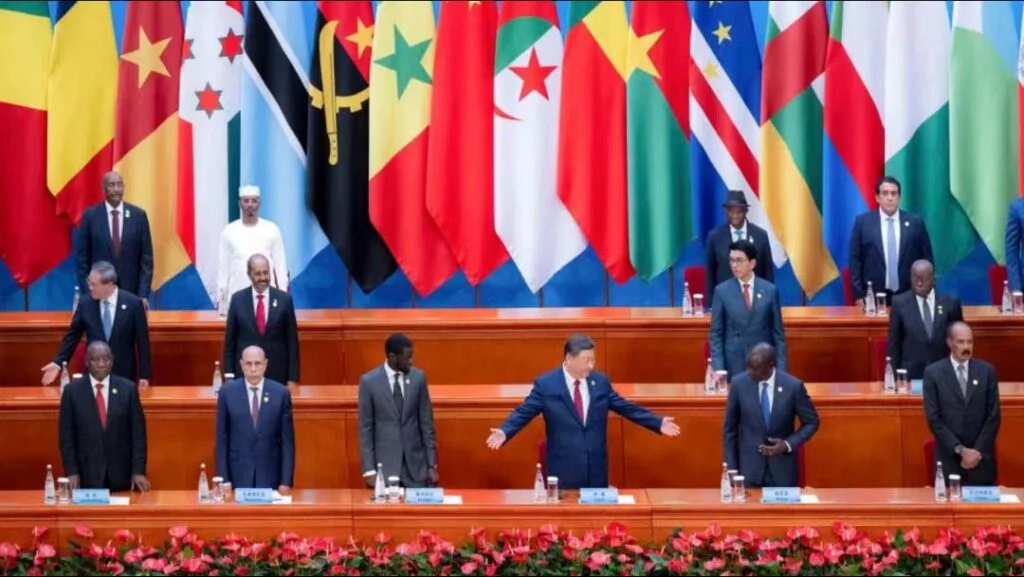
The commentary further frames China–Africa cooperation within the context of growing South–South collaboration, a concept that emphasizes partnerships among developing nations. Platforms such as the Forum on China–Africa Cooperation have played a central role in coordinating development initiatives, infrastructure investments and trade agreements between Beijing and African capitals.
Supporters of the partnership argue that such cooperation offers African countries more options in a rapidly changing global economy. As global power dynamics shift, Africa’s strategic relationships with emerging partners like China could strengthen the continent’s bargaining power and expand development opportunities.
While debates continue internationally about the long-term implications of China’s engagement in Africa, the commentary in People’s Daily presents the relationship as entering a new phase one defined not only by diplomatic solidarity but also by practical economic integration.
Seventy years after the first diplomatic ties were forged, the evolving partnership between Africa and China may be entering its most consequential chapter yet, shaped by expanding trade, shared development goals and a changing global order.