
By Senior Editor,China Africa News
Addis Ababa,May 13 2026 — Ethiopia is rapidly emerging as one of Africa’s most ambitious electric mobility markets, driven largely by an influx of affordable Chinese-made electric vehicles and strong government policy support.
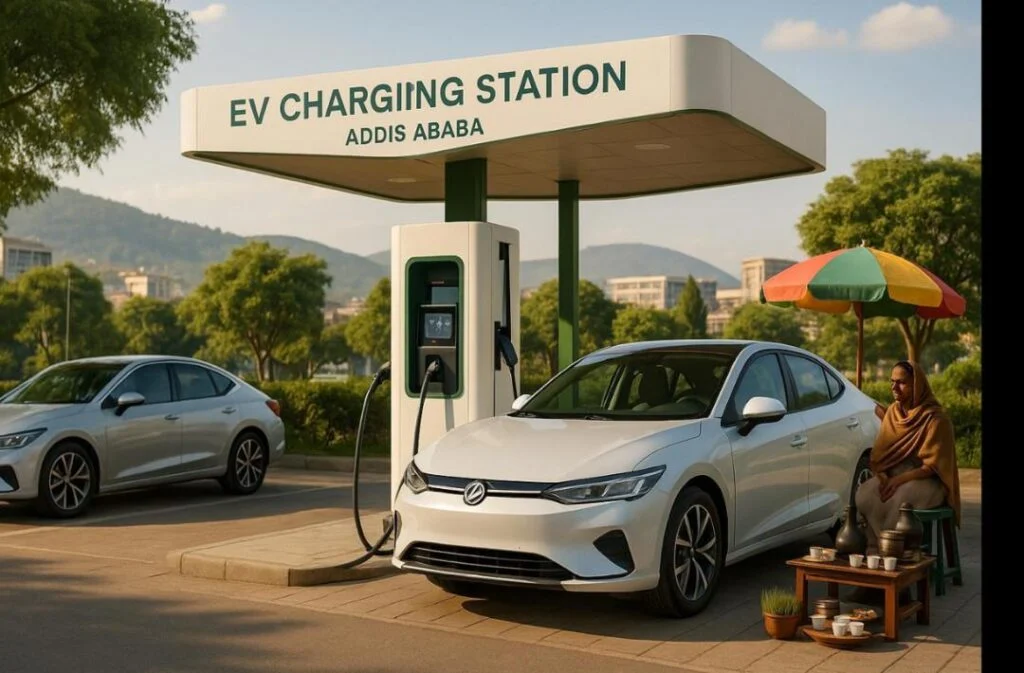
As fuel prices continue to rise amid global geopolitical instability, electric vehicles are becoming an increasingly attractive alternative for Ethiopian consumers. In the capital, Addis Ababa, charging stations are seeing growing demand as riders and motorists shift away from gasoline-powered transport.
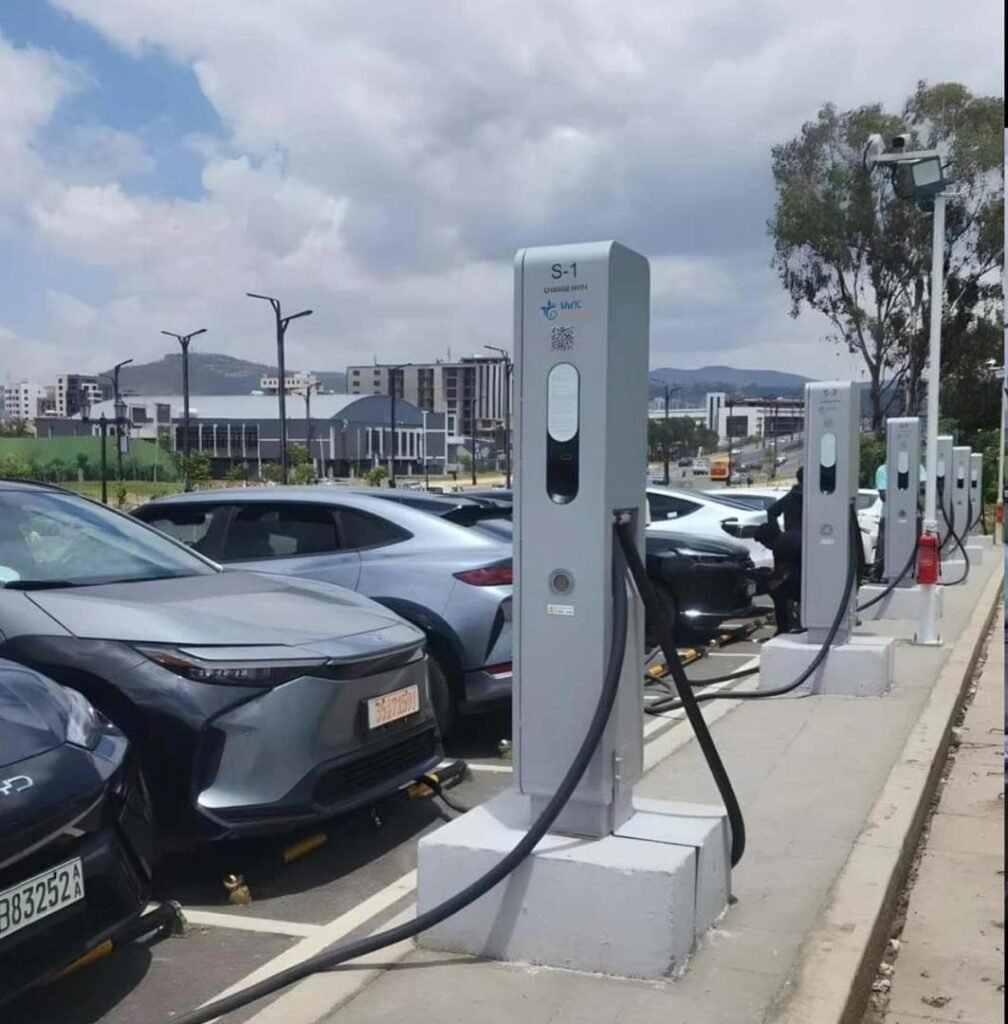
Chinese manufacturers have taken a leading role in the transformation. Brands such as Yadea and Guangzhou Automobile Group are expanding their footprint across Ethiopia’s transport sector, particularly through electric motorcycles, scooters, and passenger vehicles tailored to local affordability needs.
For many Ethiopians, the economic advantages are decisive. Daily charging costs for electric motorcycles can be as low as 10 birr, compared with fuel expenses that can exceed 1,000 birr for conventional vehicles. The sharp contrast is accelerating consumer adoption across urban centers.
The Ethiopian government has reinforced the transition with aggressive pro-EV measures, including restrictions on fossil-fuel vehicle imports, tax incentives for electric vehicles, and plans to deploy thousands of new charging stations nationwide.
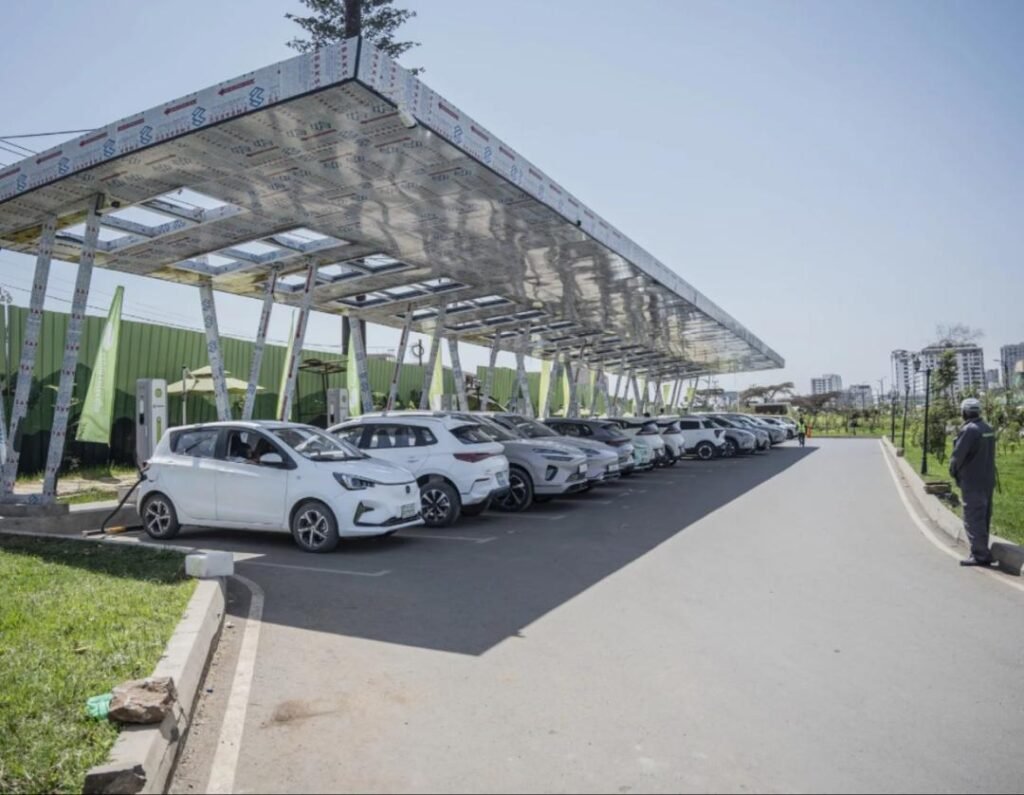
According to Ethiopia’s national E-Mobility Strategy, EV registrations surged from approximately 7,000 in 2022 to more than 115,000 by 2025. Officials also report that electric vehicles accounted for over 60 percent of new vehicle registrations in 2024, signaling a major shift in the country’s transportation landscape.
Analysts say Ethiopia’s abundant renewable energy resources particularly hydropower position the country to become a continental leader in sustainable transport, while Chinese EV manufacturers continue to deepen their influence in Africa’s growing green mobility market.