
By Senior Editor, China Africa News
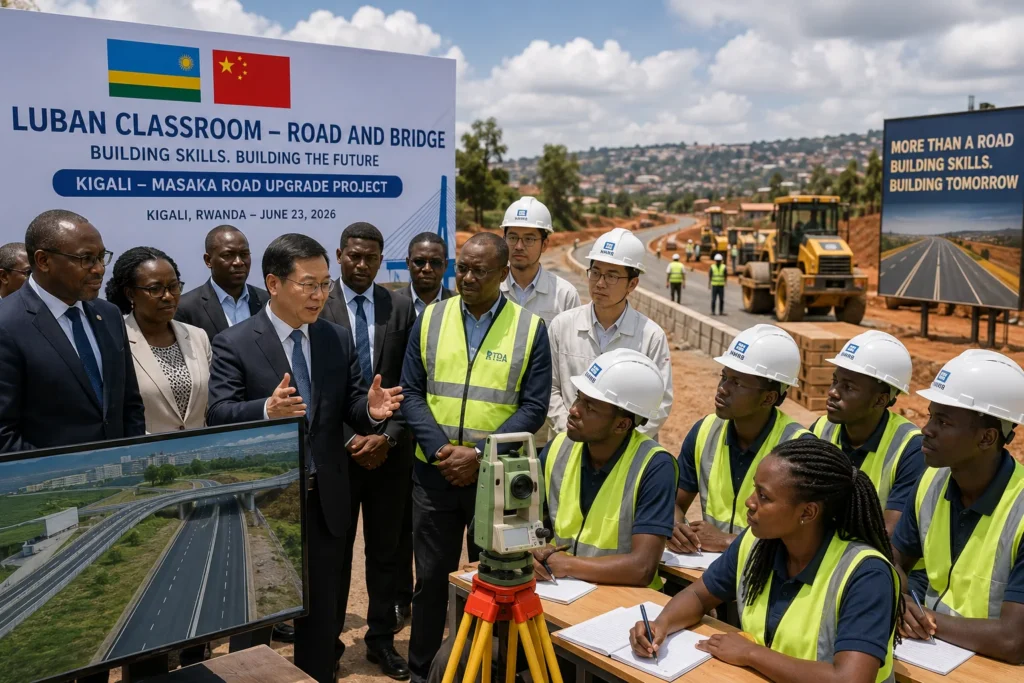
KIGALI, Rwanda, June 24, 2026 — A road construction site on the eastern edge of Kigali became an unlikely classroom on June 23 as Chinese and Rwandan officials launched the first session of the “Luban Classroom–Road and Bridge” program alongside the China-funded expansion and upgrading of the 10-kilometer road linking central Kigali to Masaka.
The event brought together Chinese Ambassador Gao Wenqi, senior officials from the Rwanda Transport Development Agency (RTDA), representatives from the Ministry of Infrastructure, the City of Kigali, the University of Rwanda, and Rwanda Polytechnic. More than 30 participants, including engineers, technicians, lecturers and students, attended the inaugural training session.
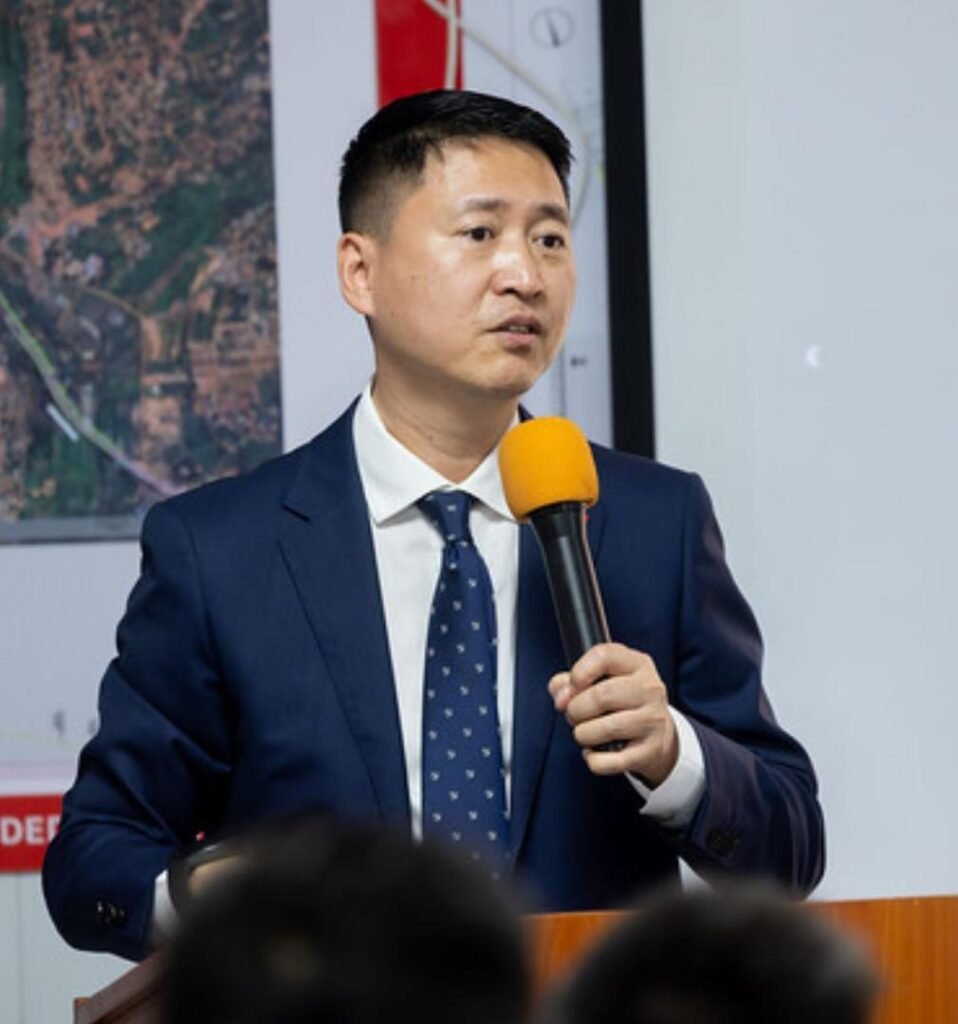
For Ambassador Gao, the significance of the occasion extended beyond the road itself. The project, implemented by Hunan Road and Bridge Construction Group, was identified as a priority initiative under the Beijing Summit of the Forum on China-Africa Cooperation (FOCAC). Equally important, he noted, was the decision to transform the construction site into what he described as a “livestream classroom,” where infrastructure development and skills transfer occur simultaneously.
That approach may ultimately become one of the project’s most important legacies.
Across Africa, infrastructure projects are often measured by physical outputs: kilometers of roads paved, bridges constructed, or transport costs reduced. Yet the long-term success of such investments increasingly depends on whether countries can develop the technical expertise needed to sustain and expand those gains.
The Luban Classroom initiative seeks to address precisely that challenge.
Named after the legendary Chinese craftsman and engineer Luban, the program has emerged as a cornerstone of China’s vocational education cooperation with African countries. Its objective is not merely to build infrastructure but to cultivate local engineers, technicians and skilled workers capable of managing future development projects independently.
For Rwanda, whose development strategy places human capital at the center of economic transformation, the model is particularly relevant.
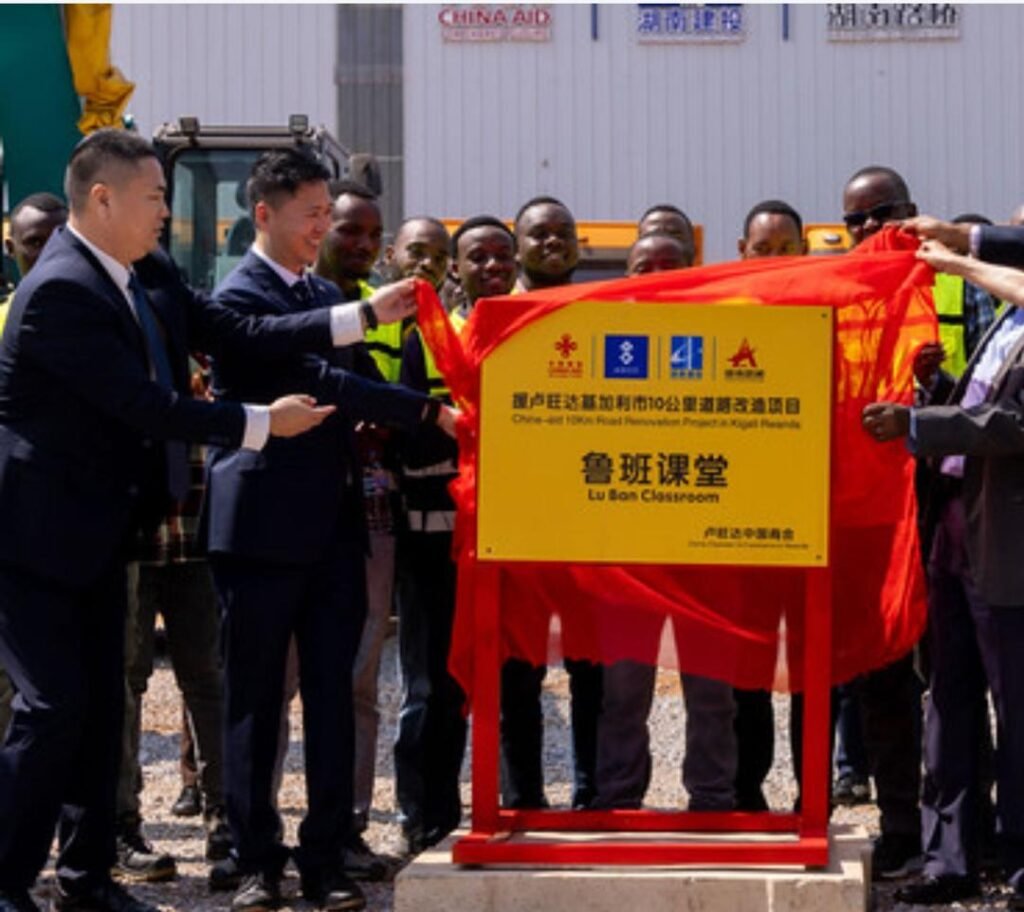
Students and young professionals participating in the program are being exposed to real-world engineering practices rather than relying solely on classroom instruction. Through direct engagement with an active construction project, they gain practical knowledge in road engineering, project management, quality control, surveying and modern construction technologies.
The result is a more direct link between education and employment, helping to prepare a workforce capable of supporting Rwanda’s growing infrastructure ambitions.
The road itself carries substantial economic importance.
Masaka has become an increasingly strategic gateway between Kigali and Rwanda’s Eastern Province, one of the country’s most dynamic economic regions. The corridor serves growing residential communities, commercial centers and transport routes connecting the capital to regional markets.
As Kigali expands, pressure on its transport network has intensified. Congestion, longer travel times and rising logistics costs threaten to undermine economic efficiency and urban productivity. The upgraded road is expected to ease traffic flow, improve connectivity, strengthen access to industrial and residential zones, and support future urban development.
Infrastructure economists have long argued that transportation investments generate benefits far beyond mobility. Efficient road networks lower the cost of doing business, attract investment, increase access to markets and create conditions for broader economic growth. For a country positioning itself as a regional hub for trade, services and logistics, such projects are strategic assets rather than simple construction undertakings.
The project also reflects the evolving character of China-Rwanda relations.
For years, discussions about development cooperation in Africa were dominated by debates over financing and aid. Increasingly, however, successful partnerships are judged by their ability to transfer knowledge, strengthen local institutions and create sustainable economic value.
The central Kigali–Masaka road project illustrates this shift. Alongside financing and construction, the partnership incorporates vocational training, technical education and capacity building. The integration of the Luban Classroom signals a recognition that infrastructure alone cannot drive development unless accompanied by investments in people.
That alignment is particularly evident in Rwanda, where policymakers have consistently emphasized skills development, technological advancement and institutional capacity as foundations for long-term growth. The country’s ambitions to become a knowledge-based economy depend not only on modern infrastructure but also on the expertise required to design, maintain and improve it.
In this sense, engineering knowledge has become a strategic resource.
Many African countries continue to face significant shortages of specialized engineers, project managers and technical professionals, even as demand for infrastructure expands. Closing that gap requires more than financial capital. It requires sustained investment in education, training and technology transfer.
By embedding vocational learning directly within project implementation, the Luban Classroom offers a practical response to that challenge. Participants gain exposure to international standards and modern construction practices while building experience that can be applied to future projects across Rwanda.
The initiative also reflects a broader understanding of corporate and social responsibility. The most successful infrastructure projects are those that leave behind more than roads, bridges or buildings. Their lasting impact lies in the skills they develop, the opportunities they create and the institutions they strengthen.
Long after construction crews leave the Kigali–Masaka corridor, the engineers and technicians trained through this program will remain. Their expertise may prove as valuable to Rwanda’s future as the road itself.
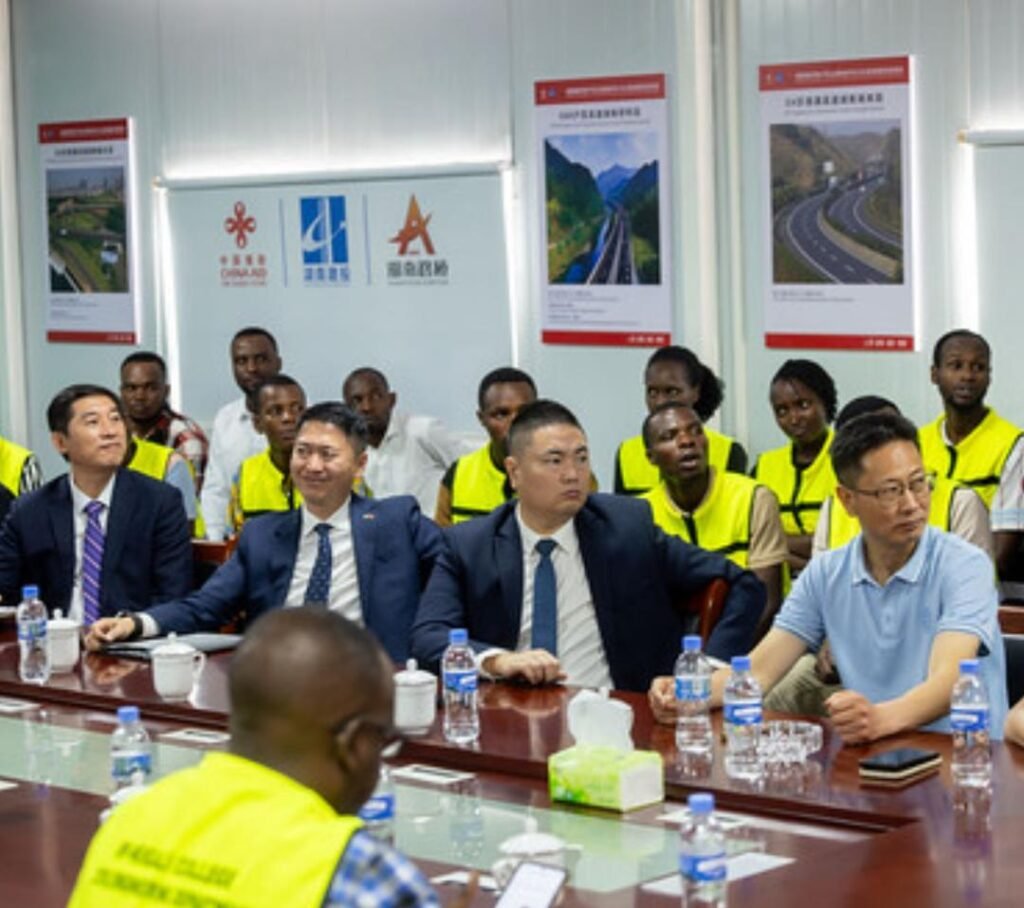
Viewed through that lens, June 23’s launch was about far more than a 10-kilometer stretch of asphalt. It was a demonstration of how infrastructure, education and international cooperation can be woven together to support national development.
The road will connect Kigali more efficiently to Masaka and the Eastern Province. But the deeper connection being forged is between physical infrastructure and human capability a partnership that may ultimately determine the project’s true value for Rwanda’s future