
By Senior Editor, China Africa News
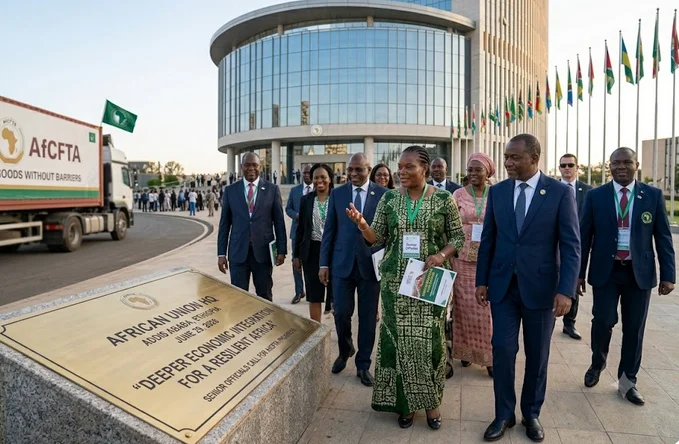
Addis-Ababa,June 29, 2026 —Senior officials from the African Union have renewed calls for member states to accelerate the implementation of the African Continental Free Trade Area (AfCFTA), emphasizing that deeper regional economic integration is essential for strengthening Africa’s resilience in an increasingly uncertain global economy.
During discussions on regional trade and economic cooperation, AU leaders encouraged governments to remove the remaining barriers that continue to hinder the free movement of goods and services across the continent. They argued that reducing tariffs, simplifying customs procedures, and improving cross-border infrastructure would help unlock the full potential of Africa’s single market.
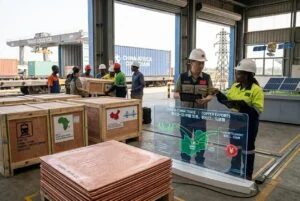
The AfCFTA, which brings together the majority of African countries under one trade framework, is designed to increase trade among African nations, promote industrial development, and create new opportunities for businesses. Despite significant progress since the agreement entered into force, implementation has varied across member states, with regulatory differences and logistical challenges continuing to slow its expansion.
Officials stressed that accelerating the agreement’s implementation has become increasingly important as African economies navigate the effects of global inflation, supply chain disruptions, and shifting international trade patterns. Expanding intra-African trade, they said, would reduce the continent’s dependence on external markets while encouraging investment in local manufacturing and value-added industries.
Economic experts have long argued that trade within Africa remains below its potential compared with other regions of the world. Greater market integration is expected to strengthen regional supply chains, improve competitiveness, and create employment opportunities, particularly for young people and small businesses.
The African Union also highlighted the importance of collaboration among governments, the private sector, and regional economic communities to address persistent obstacles such as inadequate transport networks, border delays, and inconsistent trade regulations. Officials noted that overcoming these challenges would allow businesses to move products more efficiently across national borders and stimulate economic growth.
As implementation efforts continue, AU leaders expressed confidence that the African Continental Free Trade Area can become a key driver of long-term economic transformation. They urged member states to maintain momentum by fulfilling their commitments and working together to build a more integrated, competitive, and prosperous African economy