
By Cremilda Macuácua
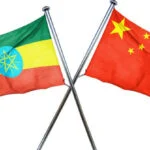
ADDIS ABABA, November 4, 2026 — Ethiopia and China are seeking to deepen their military relationship, opening discussions on defence technology, industrial development and military training as both countries move to strengthen a strategic partnership with implications for the wider Horn of Africa.
The renewed commitment emerged during talks between Ethiopian Defence Minister Mohamed Idris and Chinese Ambassador to Ethiopia Chen Hai in Addis Ababa on November 3. The discussions focused on expanding cooperation in the defence industry, technology transfer and capacity building, according to the Ethiopian News Agency.
The meeting signals a further expansion of China’s engagement with Ethiopia, a country whose geographical position, political influence and security interests make it an important partner in East Africa.
During the discussions, Minister Mohamed emphasised the importance of preserving the longstanding military relationship between the two countries while exploring additional areas of cooperation. He highlighted defence industrial development, technology transfer and military training as important opportunities for strengthening bilateral ties.
China’s ambassador reaffirmed Beijing’s interest in deepening military and strategic relations with Ethiopia, expressing readiness to expand cooperation in the defence industry and pointing to what he described as positive outcomes from previous bilateral engagement.
Although the meeting did not announce a new arms agreement or disclose specific financial commitments, its emphasis on technology transfer and industrial cooperation suggests that the relationship is extending beyond conventional military diplomacy.
For Ethiopia, developing domestic defence capabilities has implications for national security, industrial development and technological advancement. Building local expertise and strengthening institutional capacity could reduce dependence on external suppliers over time.
Technology transfer is particularly significant. Across Africa, governments have increasingly expressed interest in moving beyond the purchase of imported military equipment towards developing domestic capabilities, including maintenance, technical training and defence-related manufacturing.
China has emerged as an important partner in this process, offering military cooperation, training programmes and industrial partnerships to several African countries.
Ethiopia’s relationship with Beijing, however, extends well beyond defence.
The two countries have developed substantial economic and diplomatic ties over several decades. Chinese involvement in Ethiopia’s infrastructure development has included major investments in railways, telecommunications, industrial parks and energy projects.
The relationship has also acquired greater diplomatic significance as Ethiopia seeks to strengthen its position within regional and international affairs.
Addis Ababa hosts the headquarters of the African Union, making Ethiopia an important centre of continental diplomacy. Its location in the Horn of Africa also places it at the intersection of several major geopolitical interests, including Red Sea security, regional trade and relations among neighbouring countries.
For Beijing, maintaining close relations with Ethiopia offers both economic and strategic advantages.
China has substantial commercial interests across East Africa and relies on stable regional conditions to protect investments, maintain trade connections and expand its economic presence.
Military cooperation can strengthen diplomatic relationships while creating longer-term institutional links between governments.
However, China’s growing defence engagement in Africa also raises broader questions about the continent’s security partnerships and the balance of international influence.
Western countries, Russia, Turkey and other international actors have maintained different forms of military and security cooperation with African governments. China’s expanding role adds another dimension to an increasingly competitive international environment.
For African countries, these relationships can provide opportunities to diversify partnerships, access technical expertise and strengthen national capabilities. At the same time, governments must ensure that military cooperation serves domestic priorities and contributes to regional stability.
Ethiopia’s latest engagement with Beijing therefore carries significance beyond the bilateral relationship.
The Horn of Africa remains a strategically sensitive region, facing complex security challenges and competing geopolitical interests. Any expansion of military cooperation involving major international powers is likely to attract attention from neighbouring countries and other global actors.
Nevertheless, the November 3 discussions should not be interpreted as evidence of a new military alliance or a specific defence deployment. No such agreement was announced in the available report.
What is clear is that Ethiopia and China want to take their longstanding military relationship further, with greater emphasis on technology, training and industrial capacity.
The central question now is whether the renewed commitment will translate into concrete defence-industrial projects and measurable improvements in Ethiopia’s domestic capabilities.
For Beijing, the partnership represents another opportunity to consolidate its strategic relationships across Africa. For Addis Ababa, it offers a potential pathway towards strengthening national defence institutions while maintaining an important international partnership.