
By Staff Writer, China Africa News
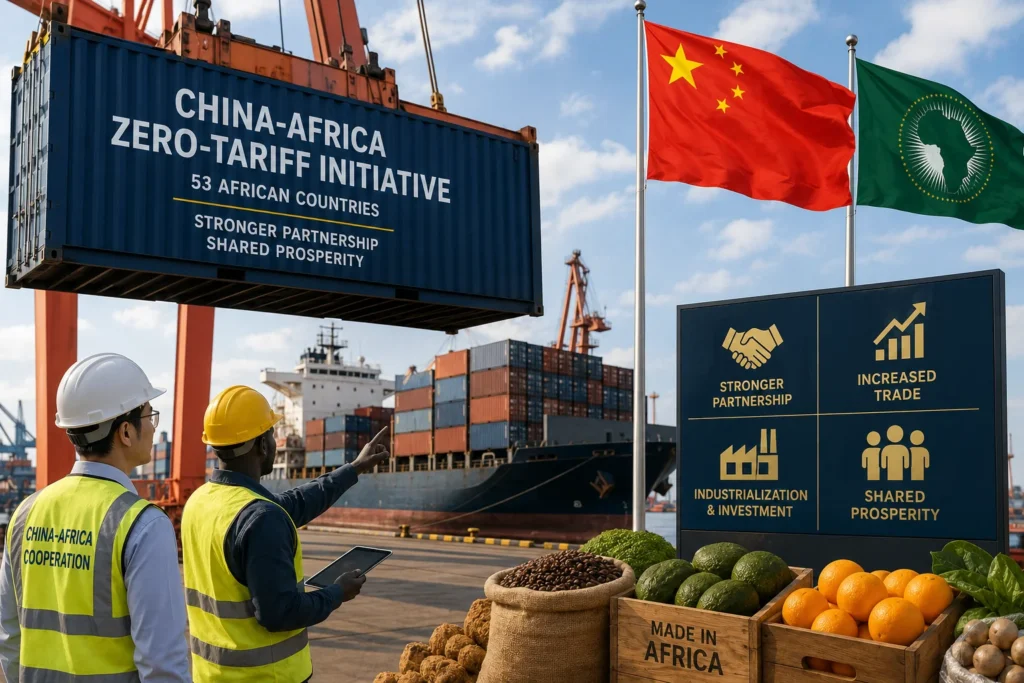
Beijing, June 3,2026 — China’s decision to grant zero-tariff treatment to imports from 53 African countries has been widely welcomed by economists and policymakers as a transformative step in China-Africa relations, with implications that extend far beyond conventional trade policy.
The initiative, announced amid growing global trade uncertainties and rising protectionist tendencies in several major economies, reflects Beijing’s evolving approach to economic engagement with Africa. Rather than focusing solely on increasing trade volumes, the policy aims to deepen integration between African economies and international value chains, creating new opportunities for industrialization, investment, and export-led growth.
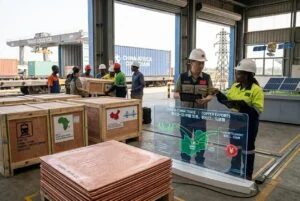
Trade between China and Africa has already surpassed $348 billion annually, making China the continent’s largest trading partner. Analysts argue that the elimination of tariffs on African exports could significantly enhance the competitiveness of African products in the vast Chinese market, enabling exporters to access new consumers while encouraging greater diversification of exports.
Egyptian economic analyst Nermeen Tawfik described the move as a “structural shift” in the philosophy of China-Africa economic relations. Her assessment reflects a growing consensus among development experts that the policy represents a transition from a traditional buyer-seller relationship toward a long-term strategic economic partnership.
The significance of the initiative lies not only in tariff reductions but also in its potential to reshape Africa’s position within global production networks. For decades, many African economies have remained largely dependent on exporting raw materials while importing higher-value manufactured goods. Greater access to the Chinese market could incentivize investment in value-added industries, processing facilities, and manufacturing sectors across the continent.
By creating stronger incentives for export-oriented industrialization, the policy may help African nations move up the value chain, generating employment opportunities and fostering sustainable economic growth. Countries with developing industrial bases, modern infrastructure, and strategic geographic locations stand to benefit the most as manufacturers seek to capitalize on preferential market access.
The initiative also aligns with broader continental ambitions under the African Continental Free Trade Area (AfCFTA), which seeks to strengthen intra-African trade and regional value chains. Enhanced access to China could complement these efforts by encouraging African producers to scale operations, improve standards, and increase competitiveness in international markets.
From China’s perspective, the policy serves multiple strategic objectives. It strengthens economic ties with African partners, supports supply chain diversification, and reinforces Beijing’s commitment to open trade at a time when global economic fragmentation is becoming increasingly pronounced.
Critics caution, however, that tariff-free access alone will not automatically translate into economic transformation. African countries will need to address longstanding challenges, including infrastructure gaps, logistics costs, limited industrial capacity, and compliance with international quality standards.
Without complementary domestic reforms, the full benefits of the initiative may remain unrealized.
Nevertheless, the zero-tariff policy represents one of the most significant trade measures introduced in China-Africa relations in recent years. If effectively leveraged by African governments and businesses, it could accelerate the continent’s integration into global value chains, attract new investment, and support a more diversified and resilient economic future.
As global trade dynamics continue to evolve, China’s latest move may be remembered not simply as a tariff adjustment, but as a strategic effort to redefine the architecture of economic cooperation between Africa and one of its most influential trading partners.