
By Senior Editor,China Africa New
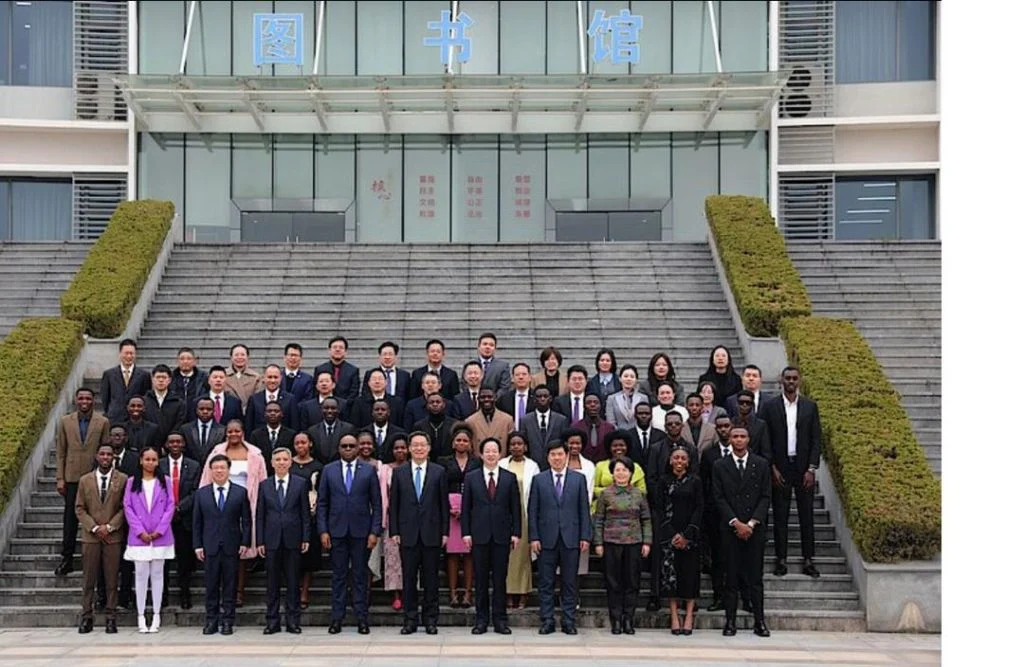
KIGALI, Jan. 7, 2026 — 30 students who completed advanced vocational training at China’s Jinhua University of Vocational Technology (JUVT) returned home on Jan. 6 after spending a year abroad sharpening practical skills that they and national leaders hope will support Rwanda’s development. Among them, 23-year-old e-commerce graduate Aimable Tuyishime said, “I spent almost a year in China, and now I am back to implement what I studied there,” describing his experience as hands-on and deeply formative. They engaged closely with major Chinese e-commerce platforms and real-world digital business practices during their training.
Another graduate, Protais Muhire, specializing in electrical automation technology, described the year in China as a turning point, saying the exposure to advanced equipment such as programmable logic controllers (PLCs), robotics and hydraulic systems significantly strengthened his technical capabilities tools he plans to apply to help modernize industry back home.
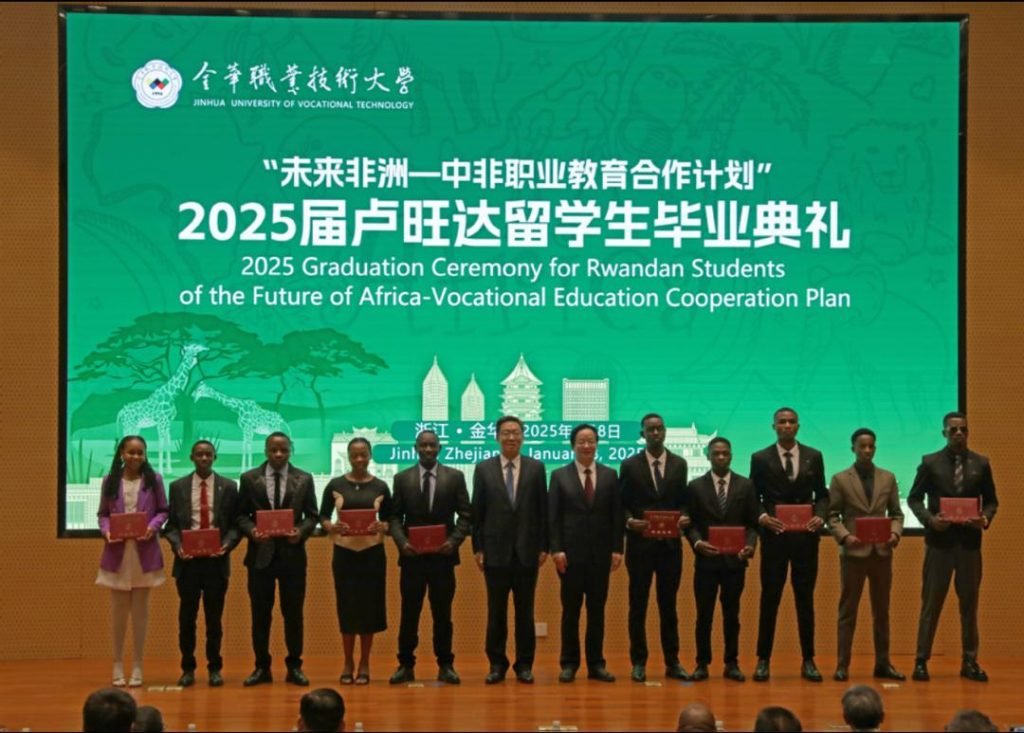
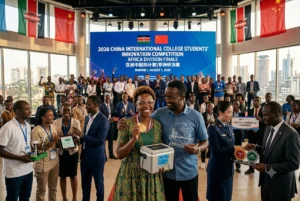
According to Xinhua News Agency, this programme reflects a growing collaboration between Rwanda Polytechnic’s Musanze College and JUVT, where students first built their foundation in Musanze before spending their final year in China to deepen their mastery of strategic skills. During their studies, the cohort gained international recognition, winning the Excellence Award at the 2025 World Vocational College Skills Competition Championship Finals, and demonstrated competitive readiness in fields that are increasingly central to contemporary economies.
For Rwanda a country striving to become a technology-driven economy this return of trained graduates carries particular significance. With Vision 2050 and other national strategies highlighting innovation, industrialisation and digital transformation as pillars of future growth, the infusion of practical, globally informed skills aligns with the nation’s broader goals to cultivate a workforce capable of navigating the demands of modern markets. The ability of graduates like Tuyishime to begin building an e-commerce platform tailored to Rwandans demonstrates how human capital development is increasingly central to economic diversification and job creation in sectors beyond traditional agriculture and services.
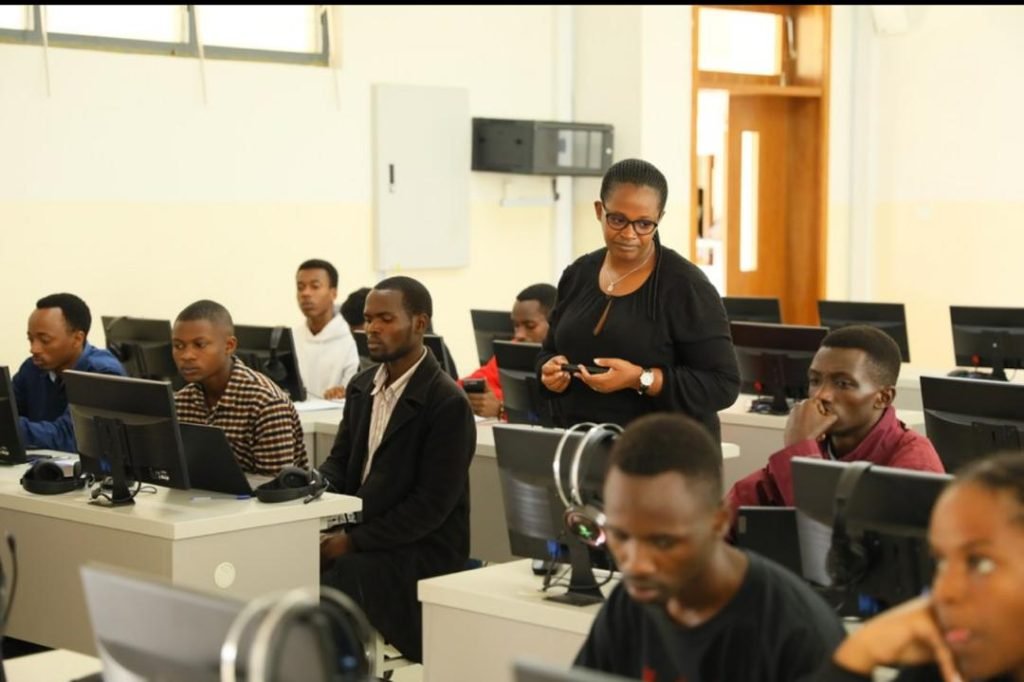
China’s role in Rwanda’s education and skills ecosystem extends beyond this single cohort. Long-standing partnerships in vocational training, language learning programmes and educational exchanges form part of a larger framework of cooperation that opens pathways for Rwandans to access scholarships, global networks and employment opportunities often in sectors where Chinese and Rwanda interests intersect. This includes vocational skills that support local industries and prepare students for jobs with Chinese enterprises operating in Rwanda’s growing economy.
For a youthful nation where nearly half the population is under 25, equipping young people with skills that bridge education and industry is both an economic imperative and a demographic opportunity. China’s involvement through training, infrastructure support, and educational partnerships can help accelerate Rwanda’s journey toward a knowledge-intensive, innovation-led future, providing both the technical capacity and global exposure needed in a competitive world.
In the coming years, expanding this kind of international vocational collaboration may be key to realizing Rwanda’s aspirations, strengthening not just individual careers but the broader workforce that national development depends on.