
By Senior Editor, China Africa News
NAIROBI, June 23, 2026 — Across parts of East and Southern Africa, electric motorcycles, buses, and small vehicles are beginning to move from pilot projects into everyday use, marking a gradual but significant shift in transport systems long dominated by imported fossil fuels.
The acceleration is being driven by a combination of rising global energy costs, domestic policy changes, and increased availability of affordable electric vehicles and components supplied largely through Chinese manufacturing networks.
In countries such as Rwanda, Kenya, and Ethiopia, governments are actively promoting electric mobility as part of broader climate and energy strategies. Incentives for electric motorcycles, public transport electrification, and urban mobility reforms are beginning to reshape transport markets that have historically relied on petrol imports.
At the center of this transition is China’s expanding role in global electric vehicle supply chains.
Chinese companies dominate the production of batteries, electric two- and three-wheelers, charging infrastructure components, and critical minerals processing technologies. As these firms seek new markets, Africa has emerged as a key growth region where demand is rising faster than infrastructure constraints can fully accommodate.
The relationship is increasingly structural rather than experimental. Chinese manufacturers are not only exporting finished electric vehicles but also supplying assembly kits, battery systems, and technical components that enable partial local manufacturing and assembly within African countries.
For African governments, the appeal is twofold. Electric mobility offers a way to reduce dependence on imported fuel, while also creating opportunities for new industries in assembly, maintenance, and energy services. In countries facing foreign exchange pressure from fuel imports, the economic logic is particularly compelling.
Rwanda has positioned itself as an early adopter, promoting electric motorcycles and buses as part of its urban transport strategy. Kenya has also seen rapid growth in electric motorcycle startups and pilot programs targeting ride-hailing and delivery services. Ethiopia, meanwhile, has taken a more policy-driven approach, restricting certain fossil fuel vehicle imports in favor of electric alternatives.
These developments are not occurring in isolation. They are increasingly linked to global energy market volatility, including disruptions in oil supply chains and fluctuating fuel prices, which have made electric alternatives more economically attractive.
Chinese firms are benefiting from this shift.
Companies such as battery manufacturers, electric vehicle assemblers, and charging infrastructure providers are expanding partnerships across Africa, often working with local distributors and governments to establish early-stage ecosystems. While most production still occurs in China, local assembly and adaptation are gradually increasing.
This pattern reflects a broader evolution in China-Africa economic relations. Earlier phases of engagement were largely defined by infrastructure development and resource extraction. The current phase increasingly emphasizes technology diffusion, industrial participation, and supply chain integration.
However, the transition is not without challenges.
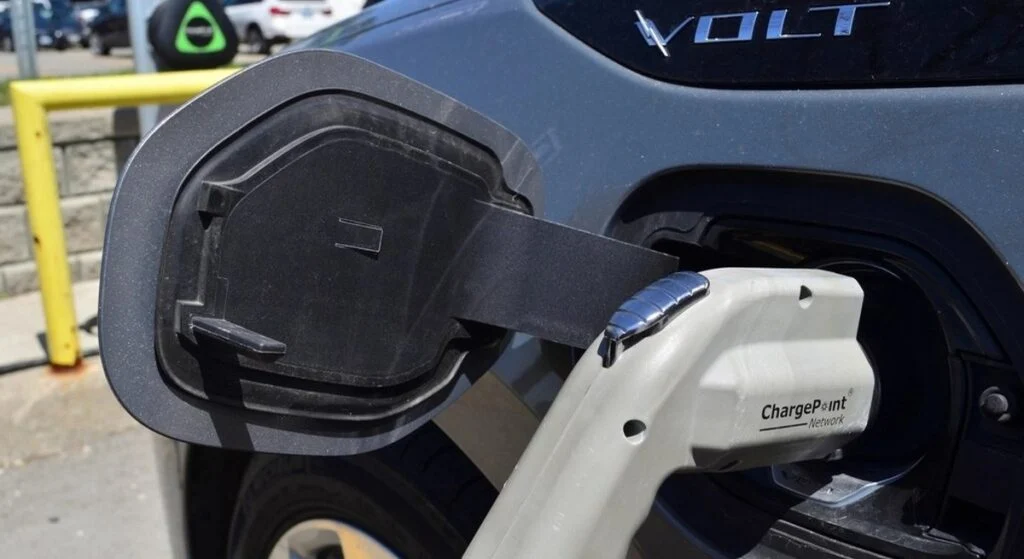
Electric mobility in Africa still faces significant barriers, including limited charging infrastructure, high upfront costs relative to income levels, and regulatory frameworks that are still evolving. In many urban centers, electricity reliability remains inconsistent, raising questions about scalability.
There are also concerns about long-term dependency on imported components. While electric vehicles reduce reliance on fossil fuels, they can create new dependencies on battery supply chains and imported technology, most of which currently originates from outside the continent.
Despite these challenges, momentum is building. The combination of policy support, private sector innovation, and external supply chain integration is creating one of the fastest-growing mobility transitions in the developing world.
For China, Africa represents both a commercial opportunity and a strategic extension of its global manufacturing ecosystem. For African countries, Chinese partnerships provide access to technology and supply chains that would otherwise take decades to develop domestically.
The result is a relationship increasingly framed by policymakers on both sides as mutually beneficial.
African countries gain access to cleaner transport technologies and potential new industrial sectors. Chinese companies gain access to emerging markets and long-term demand growth.
Whether this “win-win” dynamic fully materializes will depend on how effectively African governments can build supporting infrastructure and local capacity. Without investment in charging networks, grid stability, and skills development, the transition risks remaining uneven.
Still, the direction is becoming clearer. Electric mobility is no longer a distant policy aspiration in Africa. It is an emerging reality, shaped in part by Chinese industrial capacity and the continent’s own urgent economic and environmental pressures.
As these forces converge, Africa’s transport future is increasingly being written not only in government policy documents, but also in the factories and supply chains that connect it to Asia.