
By Cyubahiro Bonaventure
MOSCOW, RUSSIA | 31 OCTOBER 2026
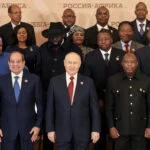
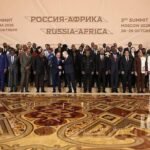
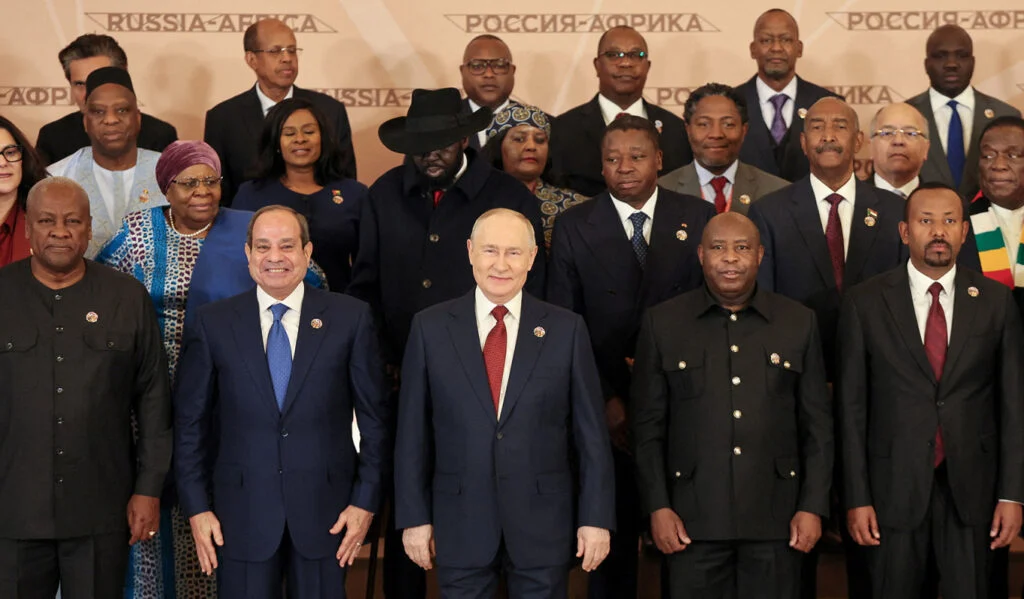
Russia and several African countries have reached significant agreements covering energy, infrastructure, trade, technology, agriculture and investment, opening new opportunities for economic cooperation and development on both sides.
A total of 146 documents, comprising 92 agreements and 54 memoranda of understanding, were signed, alongside the adoption of three major policy documents, including the Russia–Africa Partnership Forum Action Plan for 2027–2029.
Among the notable agreements, Russia’s state-owned nuclear corporation, Rosatom, signed a memorandum with Togo on the peaceful use of nuclear technology. Ethiopia also advanced discussions with Russia on developing its nuclear energy capacity, while Russia confirmed ongoing negotiations on major nuclear power projects with Ethiopia, Ghana, Uganda and Egypt.
These partnerships could help African countries improve electricity generation, develop technical expertise and strengthen energy security. Russia, meanwhile, stands to expand its nuclear technology market and secure long-term commercial partnerships.
In infrastructure, Russia and Mozambique signed an agreement covering road construction, rehabilitation, maintenance and toll-road management. The partnership offers Mozambique opportunities to improve transport connectivity while creating business opportunities for Russian engineering and construction companies.
In East Africa, Russia and Kenya advanced cooperation in civil aviation, railways, maritime transport, urban mobility and digital technologies, including artificial intelligence. The collaboration could support Kenya’s infrastructure ambitions while opening new markets for Russian technology and transport companies.
In the Sahel, Russia’s development institution, VEB.RF, signed a memorandum with the Development Bank of the Alliance of Sahel States, representing Burkina Faso, Mali and Niger. The agreement seeks to identify development and regional integration projects, potentially facilitating investment and infrastructure financing.
Mauritania also strengthened its institutional relationship with Russia through agreements on extradition and the transfer of sentenced persons, alongside a media cooperation arrangement. Meanwhile, Russia completed its domestic procedures for an investment protection agreement with the Republic of the Congo, potentially improving conditions for Russian investors.
Mutual Economic Benefits
Beyond these individual agreements, Russia and African countries identified agriculture, healthcare, education, mining, industrialisation and artificial intelligence as important areas for expanded cooperation.
For Africa, the partnerships offer opportunities to attract investment, access technology, improve infrastructure, strengthen food and energy security, develop local industries and create employment.
For Russia, Africa represents an expanding market for energy technology, agricultural products, fertilisers, pharmaceuticals, engineering services and educational programmes. Stronger relations also offer opportunities to diversify international trade and deepen diplomatic partnerships.
From Agreements to Results
Despite the opportunities, the success of these partnerships will depend on implementation. African governments must prioritise transparent financing, technology transfer, local employment and domestic industrial development. Russian partners must demonstrate their commitments through actual investments and the successful delivery of projects.
Ultimately, the significance of these agreements will be measured not by the number of documents signed but by the factories established, roads constructed, electricity generated, jobs created and improvements in the lives of ordinary citizens.
The emerging Russia–Africa partnership presents an opportunity for both sides to advance their economic interests while building a more diversified and mutually beneficial international relationship.