

By Cremilda Macuácua
HARARE, Zimbabwe — November 02, 2026
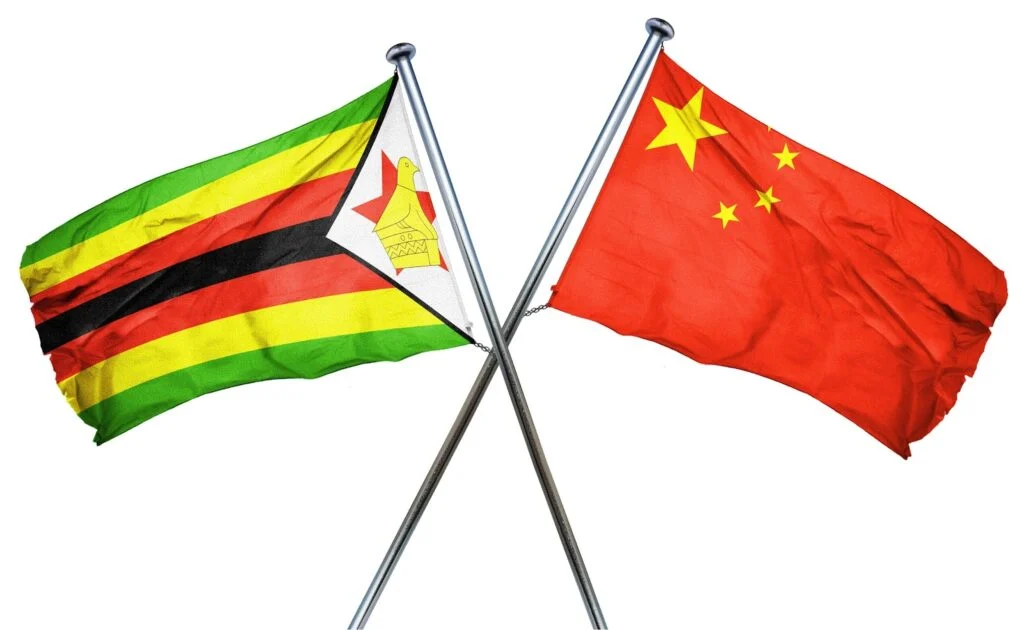
Trade between China and Zimbabwe reached $5.01 billion in the first nine months of 2026, a 51.6 percent increase from the same period last year, highlighting the growing commercial ties between Beijing and one of southern Africa’s resource-rich economies.
The figures, released by the Chinese Embassy in Zimbabwe and based on Chinese customs data, point to expanding trade in agricultural commodities, minerals and manufactured goods.
Zimbabwe’s tobacco exports to China reached $860 million during the January-to-September period, up 9.3 percent year-on-year, according to the embassy. Zimbabwean blueberries also entered the Chinese market for the first time in July, opening a new export opportunity for the country’s agricultural sector.
The increase comes as China expands preferential access to its domestic market for African exporters. On May 1, Beijing introduced zero-tariff treatment for imports from 53 African countries with which it maintains diplomatic relations, a policy intended to encourage trade and deepen economic cooperation.
Zimbabwe’s principal exports to China include tobacco, minerals and agricultural products. In return, the country imports Chinese machinery, electrical equipment and manufactured goods.
The trade figures suggest that bilateral commerce has already surpassed the $4.4 billion recorded during the whole of 2025, underscoring China’s importance as a trading partner for Harare.
For Zimbabwe, the expansion presents opportunities to diversify exports beyond traditional commodities and attract investment into agriculture and mineral processing.
However, increased market access does not automatically translate into broader economic gains. Zimbabwean producers must still overcome challenges involving production capacity, infrastructure, quality standards and international logistics to compete effectively in the Chinese market.
The development also reflects China’s wider economic engagement with Africa, where trade, investment and access to markets have become central features of its diplomatic and commercial relationships.
Whether the latest growth can translate into industrial development, job creation and greater domestic value addition remains an important question for Zimbabwe’s economy.